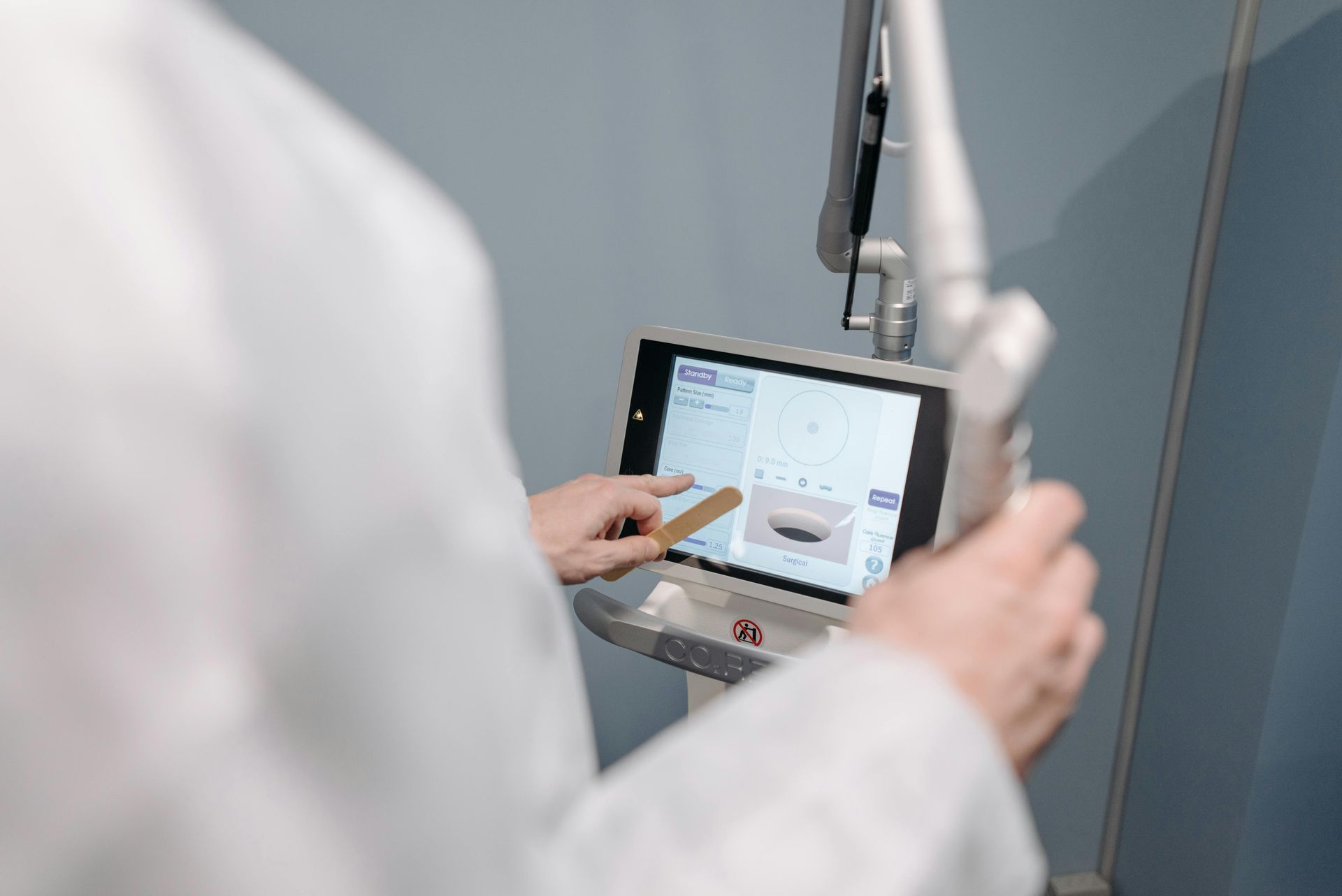
How inconsistent terminology between medical device IFUs and UIs can affect usability, patient safety, regulatory approval, and French localisation quality.
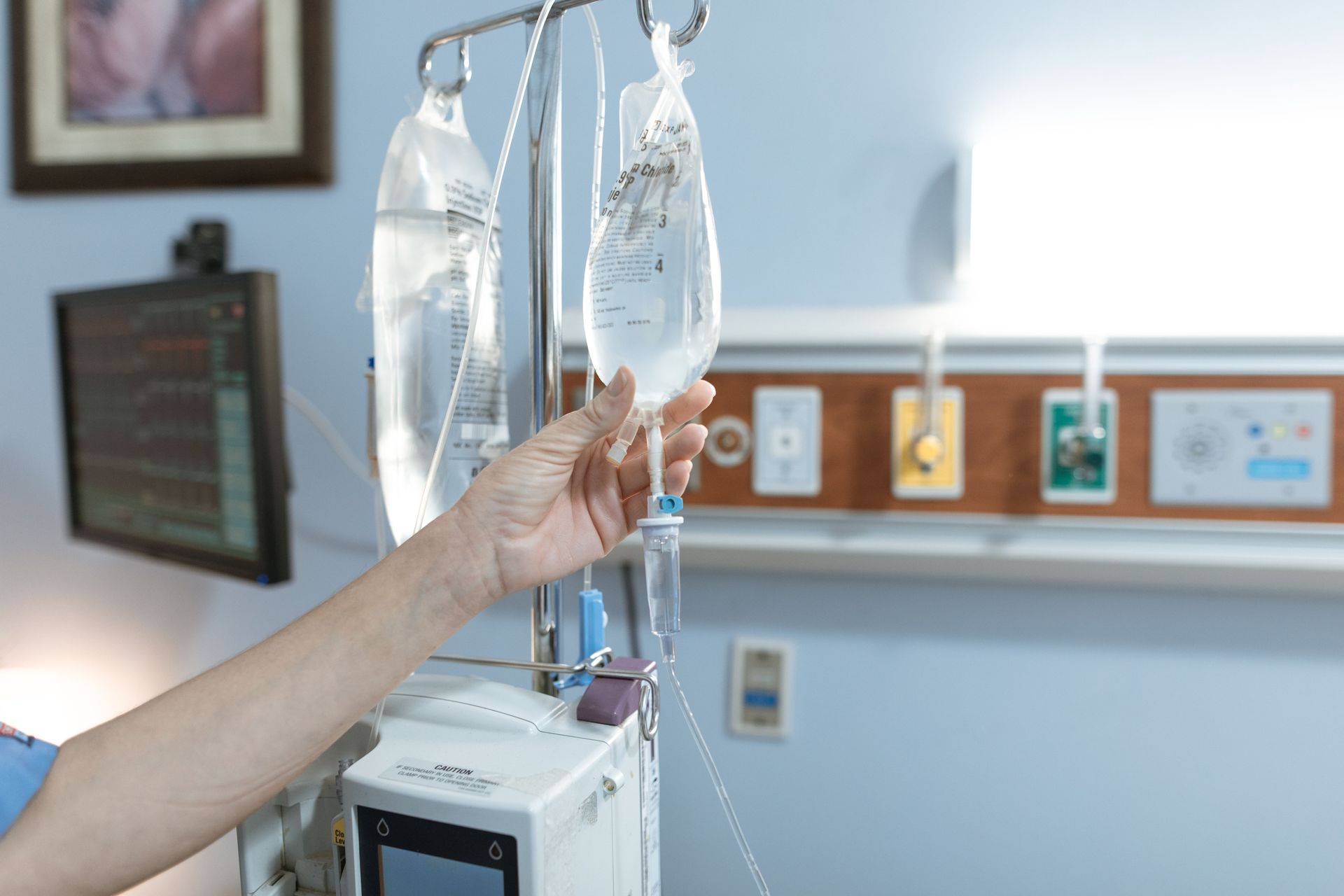
Healthcare trade shows create a concentrated environment in which MedTech, HealthTech and digital health companies can demonstrate products, meet healthcare professionals, speak with hospital buyers, identify distributors, develop partnerships and generate new business opportunities. For international companies exhibiting in France or another French-speaking market, MedTech marketing content plays an important role throughout that journey. Visitors may encounter a company before the event through a campaign or exhibitor profile, discover its technology on the stand, scan a QR code during a demonstration and return to a landing page afterwards. Effective MedTech trade show marketing therefore depends on creating a coherent sequence of interactions rather than a collection of isolated materials. The language, terminology, product story and calls to action should help the right visitors understand what the technology does, why it may be relevant to them and what they should do next.
Learn how to write a credible medical device white paper with strong evidence, a clear structure, compliant claims, and content tailored to your target audience.
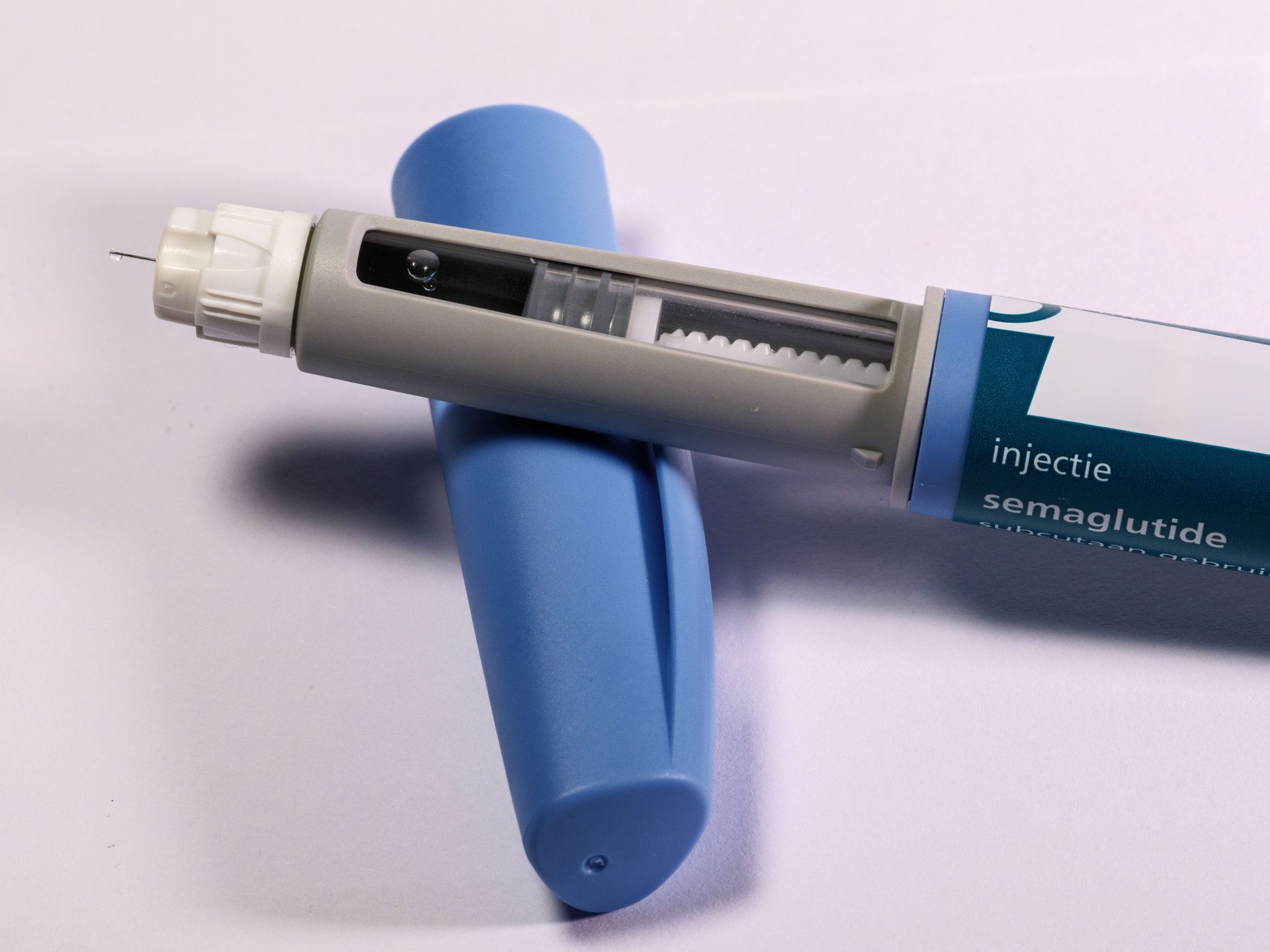
Learn how medical device terminology errors can affect product quality, usability, regulatory readiness, time-to-market, and user confidence across Europe.
Learn when medical device companies need Canadian French translation for IFUs, labelling, software, and product content for Canada and Québec.
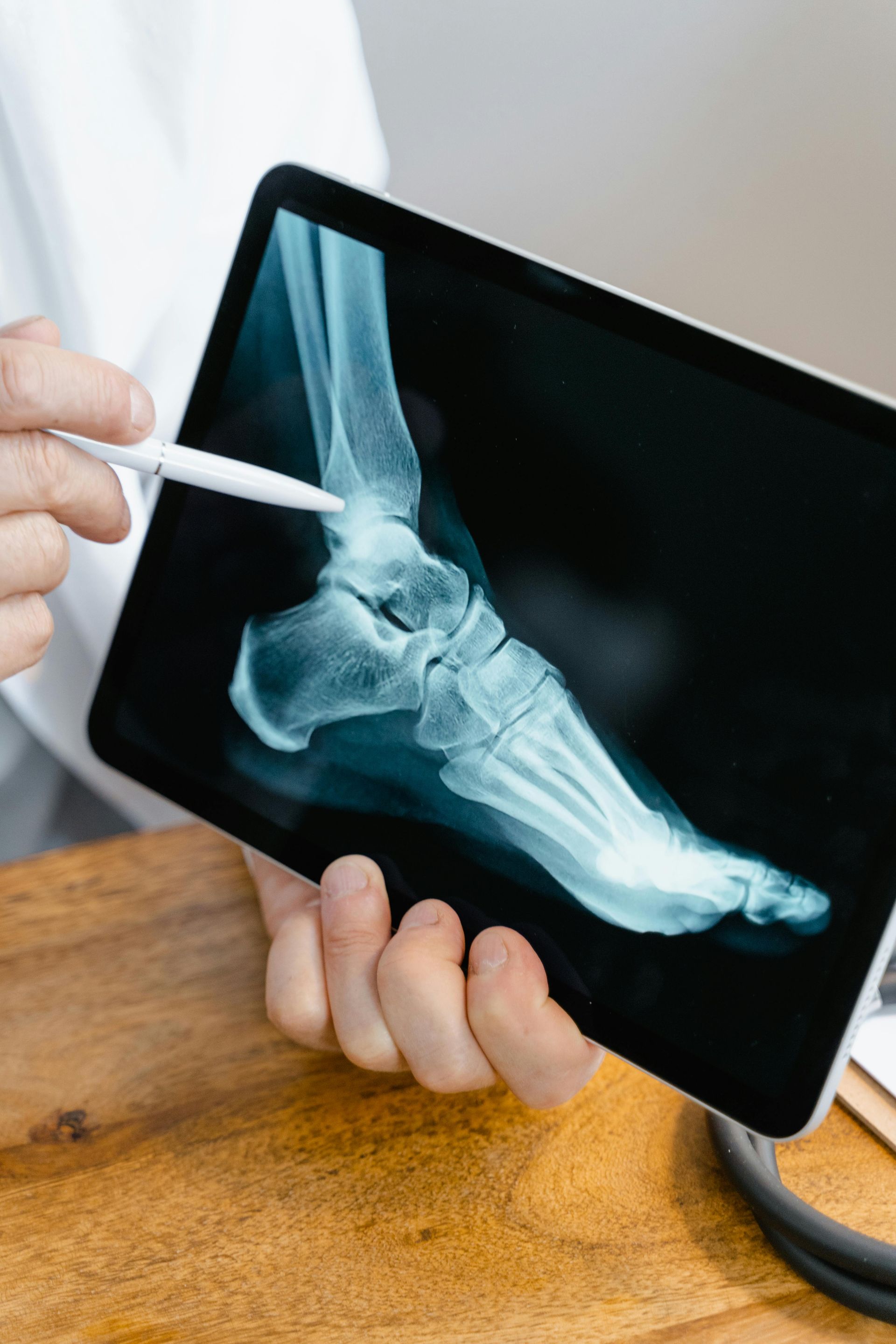
Learn how to adapt orthopaedic medical device marketing to French clinical practice, hospital purchasing, HCP engagement, and compliance.
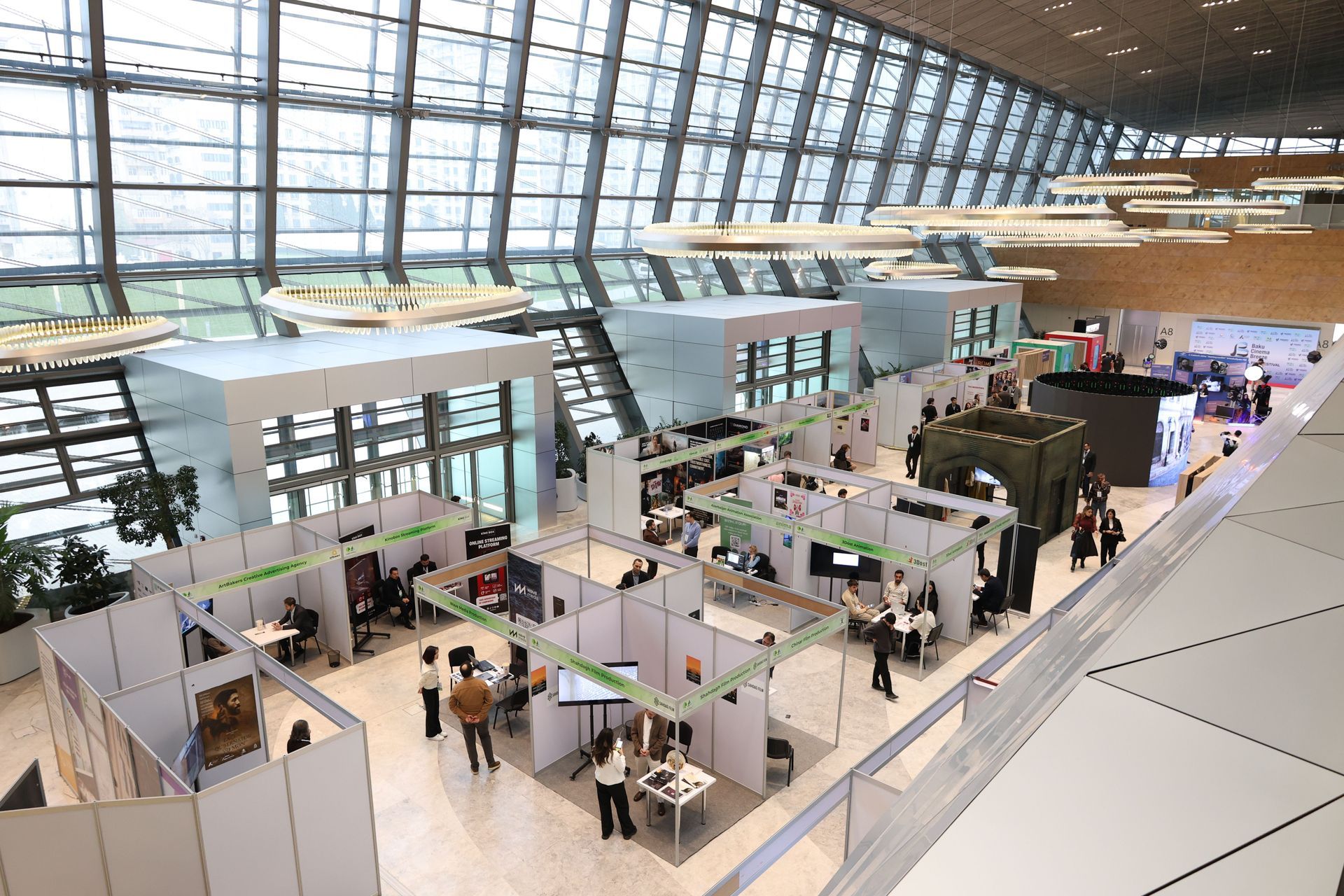
Autumn is one of the busiest periods for the medical industry in Europe. International MedTech and HealthTech companies prepare for major medical congresses, healthcare trade shows, scientific meetings, and product demonstrations across France. Planning typically focuses on logistics, booth design, speaker preparation, and product launches. Content localization often enters the process much later, despite affecting nearly every interaction with healthcare professionals throughout the event. Whether presenting clinical evidence at a scientific congress or demonstrating a new digital health solution on the exhibition floor, adapting materials for French medical congresses involves far more than translating text. It requires content that feels natural to French healthcare professionals, remains scientifically accurate, and delivers a consistent experience across every touchpoint.
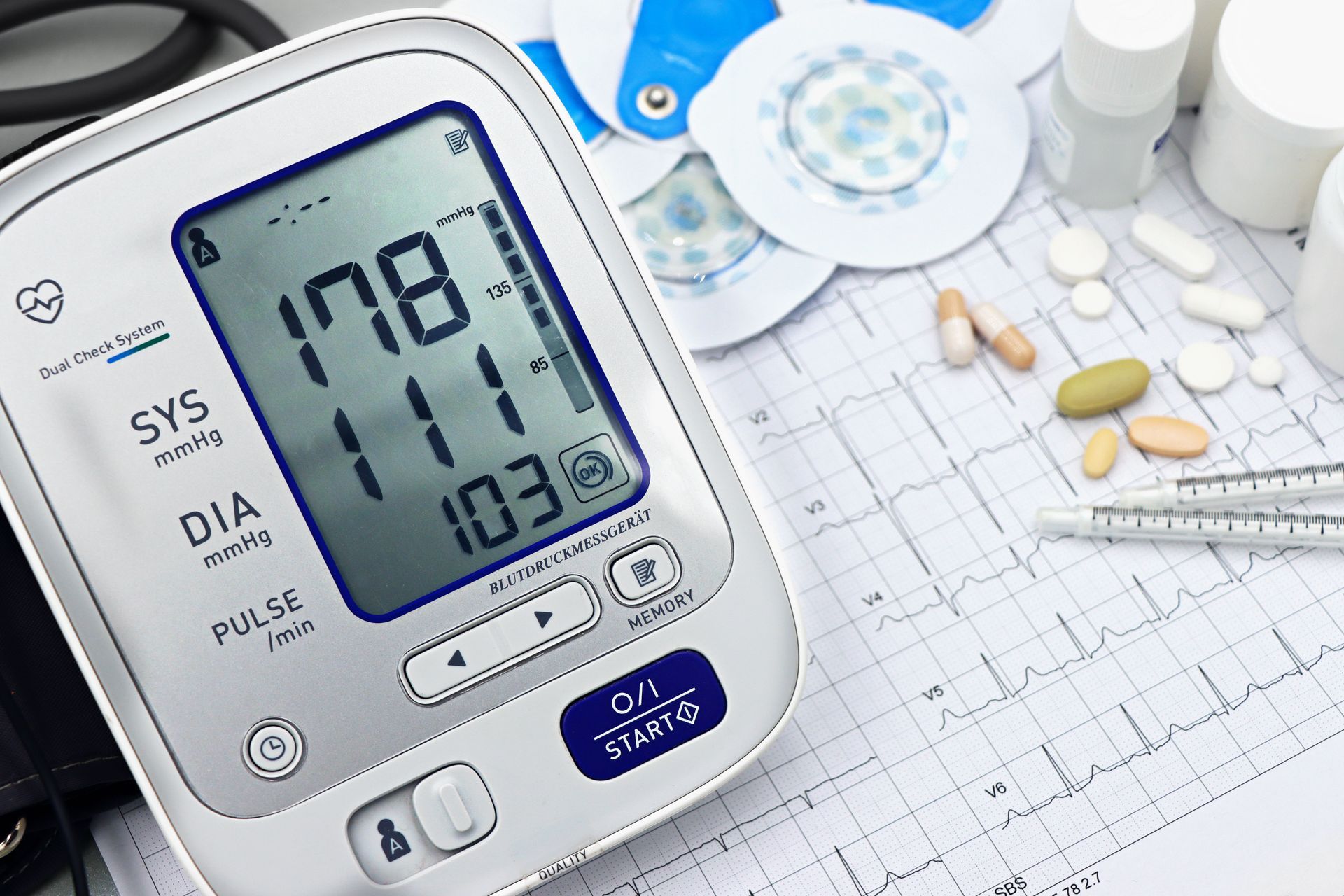
Learn how early medical device localization reduces rework, improves usability, builds user confidence, and supports smoother adoption in France.
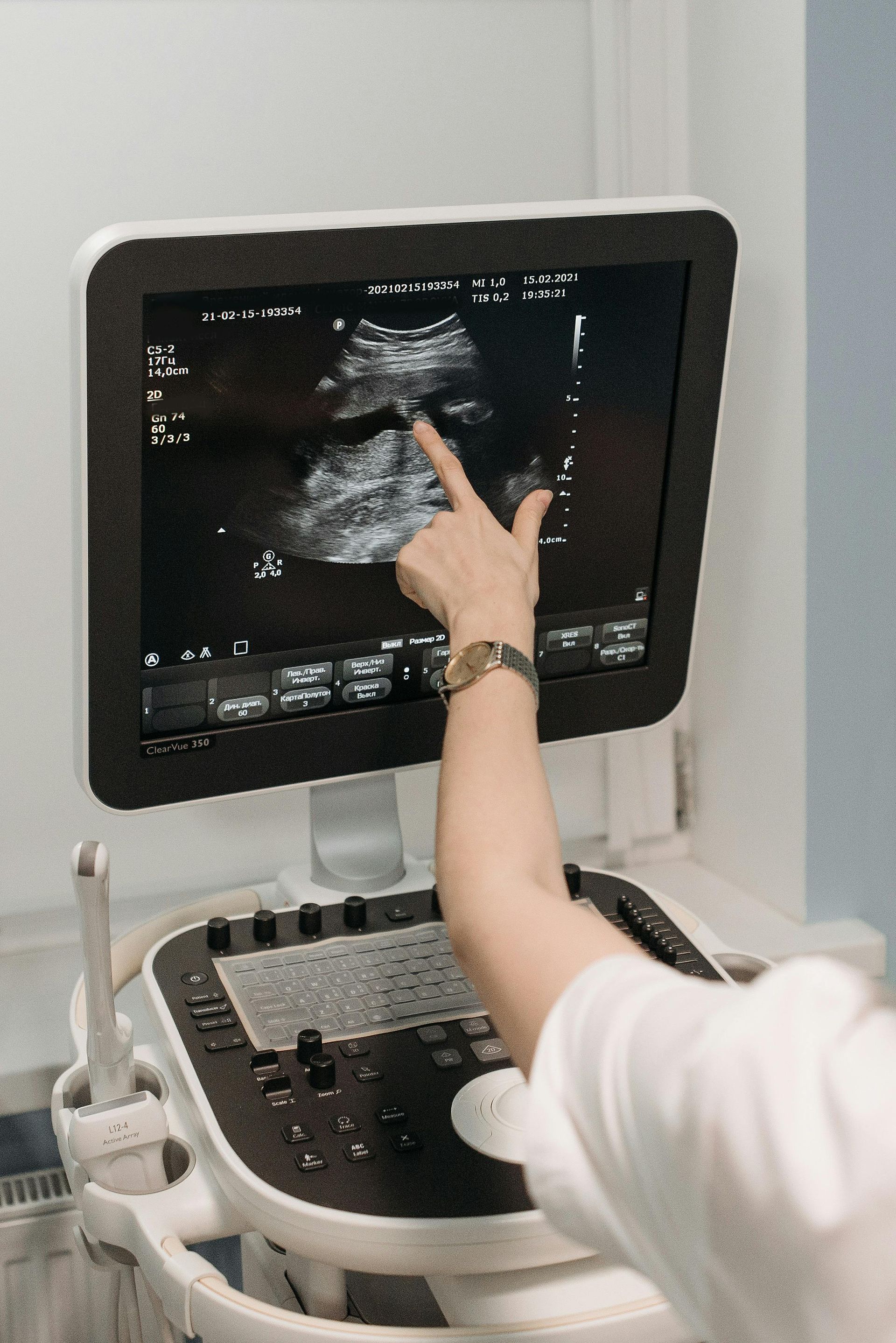
Navigate regulatory & UI challenges in French MedTech. Contact Emi Lecret for expert translation & localization services.
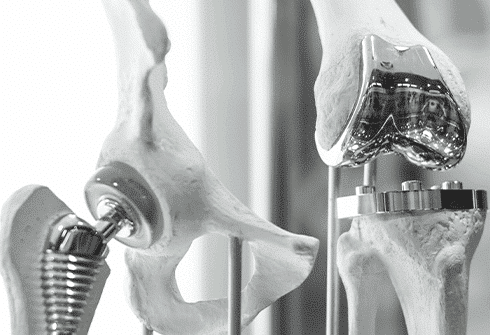
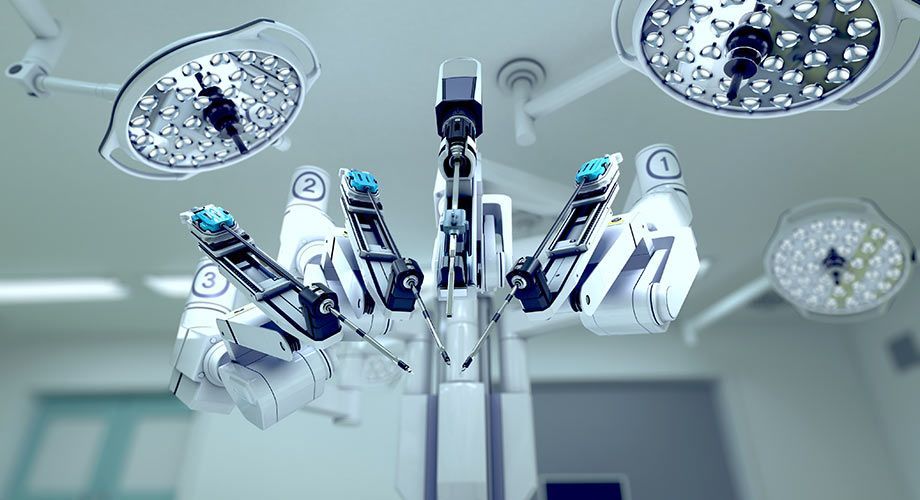
Explore the latest MedTech innovations in orthopedics, including 3D printing, orthopedic implants, surgical robotics, AI-driven planning software, and more.