The Hidden Cost of Poor Medical Device Localization
A medical device is ready for launch in France. The software has been translated. The instructions for use (IFU) have been approved. Packaging has been printed. Regulatory documentation is complete. Everything appears ready—until usability testing begins.
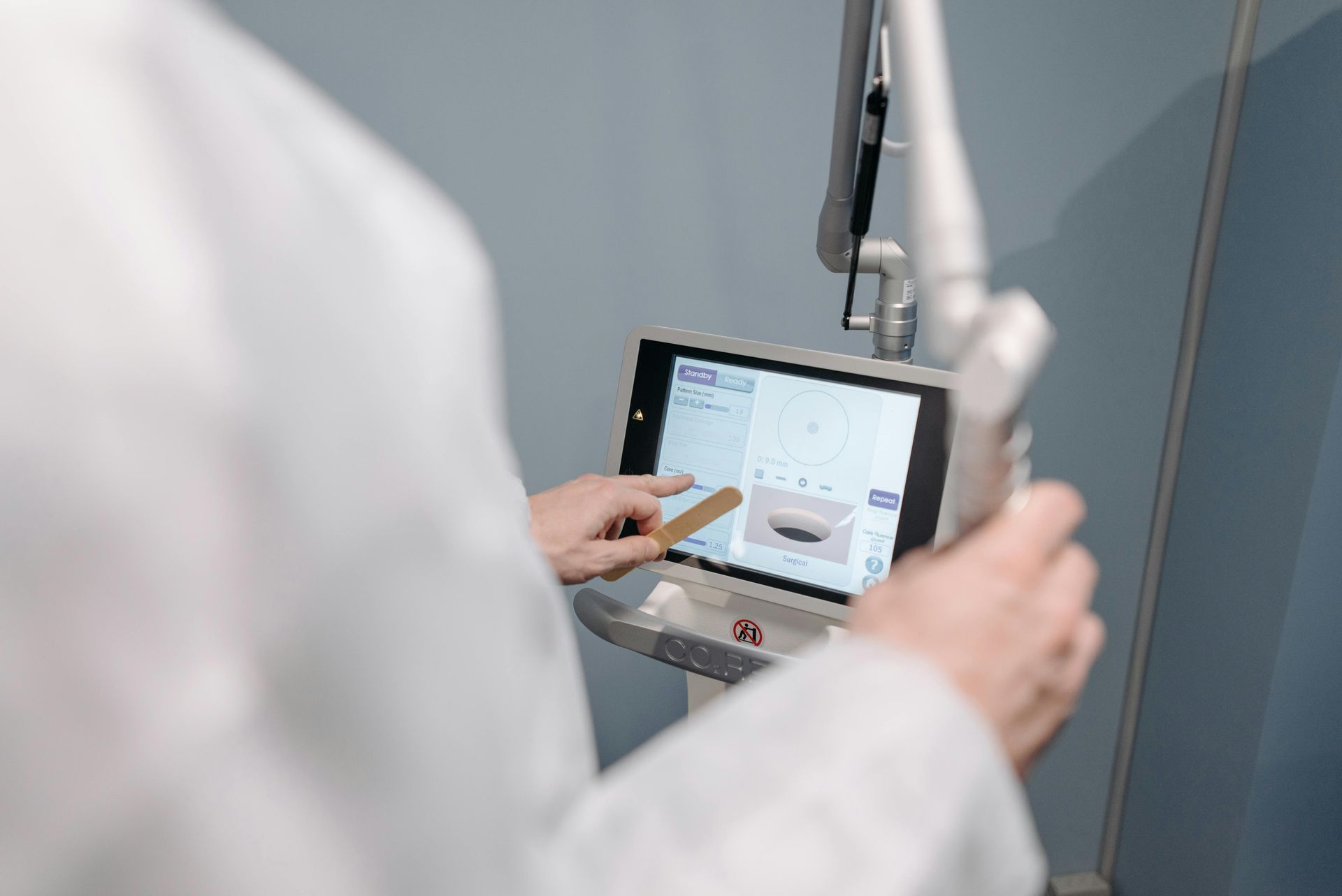
A nurse pauses while looking for a menu that doesn't match the IFU. A warning message is too long to fit on the screen. Customer support reports that users are confused by inconsistent terminology. The product team suddenly finds itself revisiting interface text, screenshots, documentation, and validation records just weeks before launch.
None of these problems stem from engineering. They stem from localization.
When companies think about localization, they often focus on the cost of translation. In reality, translation is usually one of the smallest expenses in an international product launch. The real costs appear later, when localization issues force redesigns, delays, additional reviews, or reduced user confidence. The most expensive localization problems are rarely translation mistakes. They're product problems that happen to involve language.
Localization Influences More Than Words
Modern medical devices are no longer defined by hardware alone. They combine embedded software, touchscreen interfaces, mobile applications, cloud platforms, quick reference guides, packaging, training materials, and instructions for use into a single user experience.
To the development team, these may be separate deliverables.
To clinicians and patients, they are simply "the product."
If the software uses one term while the documentation uses another, users don't see two different departments. They see inconsistency.
If warning messages are difficult to understand, users don't wonder whether localization was outsourced. They lose confidence in the device.
Localization affects how the product is experienced, not only how it is translated.
This broader role of localization is also the focus of my article “Medical Device Localization: When Every Word Affects Patient Safety” published in the ATA Chronicle, the professional journal of the American Translators Association.
The Cost Isn't Translation. It's Rework.
Most localization issues aren't discovered during translation. They're discovered much later.
Perhaps the localized interface exceeds the available screen space. Perhaps an approved translation no longer matches the latest software build. Perhaps screenshots in the IFU must be recreated because menu names changed after translation.
At that point, the project is no longer paying for translation. It's paying for rework. Software developers revise interfaces. Technical writers update documentation. Graphic designers regenerate artwork. Quality teams repeat reviews. Regulatory teams verify changes. Project managers adjust timelines.
A single terminology decision can ripple across dozens of documents and software components.
The later these problems are identified, the more expensive they become.
Small Inconsistencies Create Bigger Problems
Many localization issues appear insignificant when viewed individually.
A button is labeled "Start Therapy" in the software but "Begin Treatment" in the IFU. A warning message is technically accurate but noticeably longer than the English source. A patient-facing instruction uses language that sounds natural to translators but unfamiliar to clinicians.
None of these examples is catastrophic.
Together, however, they increase the effort required to use the product correctly.
Users hesitate. Support requests increase. Training takes longer. Confidence decreases.
Medical devices are designed to reduce uncertainty—not create it.
When localization problems emerge just before release, they rarely remain isolated. Updating one interface string may require revised screenshots, updated IFUs, fresh linguistic review, new quality checks, and revised software builds.
The translation itself may take only minutes. Resolving its consequences may take weeks.
Poor Localization Can Affect Adoption
Launching a product is only the beginning. Healthcare professionals must learn how to use it confidently. Patients must understand instructions without unnecessary confusion. Clinical teams must trust that software, documentation, and training materials communicate consistently.
Products that are easy to understand are easier to adopt.
Products that require users to interpret inconsistent terminology or ambiguous instructions create friction at every stage of implementation.
Localization therefore contributes not only to compliance but also to user confidence. And confidence influences adoption.
Why is localization more effective when planned early?
Many companies treat localization as one of the final steps before market entry. By then, most design decisions have already been made.
Interface layouts are fixed. Documentation has been finalized. Marketing materials are ready. Any change becomes more expensive.
The most successful localization projects begin much earlier. Product teams consider language while interfaces are still being designed.
Terminology is aligned before documentation is written. Localization specialists review screenshots rather than isolated spreadsheets.
Potential issues are identified while they are still inexpensive to correct. Early localization isn't about translating sooner.
It's about making better product decisions sooner.
The cost of translation is easy to calculate. The cost of poor localization is far more difficult to measure because it appears in redesigns, delayed launches, additional reviews, increased support needs, and reduced user confidence.
When localization is viewed as a product quality activity rather than a final translation task, many of those costs can be avoided before they ever arise.

Emi Lecret
– Medical writer | translator | localization specialist | communication strategist for MedTech companies
📩 Let’s discuss how I can support your team — Contact me
Share