Terminology Review for Medical Devices: When Errors Become a Product Risk
For medical device companies entering or operating in European markets, a qualitative and efficient translation goes well beyond linguistic fluency and technical accuracy. Terminology for medical devices needs to be accurate for the product, appropriate for the clinical context, understandable to the intended user, and consistent across the content ecosystem. A term that is technically accurate but inappropriate in context can create confusion in an IFU, software interface, training module, or labeling. Under the EU Medical Device Regulation (MDR), information supplied with a device must be appropriate to the intended users, and instructions for use must be written in terms they can readily understand.
For manufacturers, this makes medical device terminology review a component of product quality, usability, localization efficiency, and risk control.
How Terminology Errors Can Create Risks in Medical Device Documentation
Medical device content combines several types of language: clinical terminology, anatomy, procedures, device components, technical terms, measurements, warnings, software functions, and sometimes proprietary product terms. A translation can therefore be linguistically correct while still being inaccurate for the device.
Take a component used during an orthopedic procedure or a command in surgical planning software. Several target-language equivalents may exist, but only one may match the product architecture, the terminology used by clinicians, or the action the user is expected to perform. This is where medical device terminology validation can help you avoid costly risks. The reviewer/auditor may need to check the term against the IFU, screenshots, drawings, product specifications, clinical workflow, or other reference materials rather than validating it in isolation. This matters particularly in Europe because MDR Annex I requires information supplied with a device to support its safe and proper use and to take account of the knowledge, experience, education, and training of intended users.
The practical question is therefore not simply:
Is this translation correct?
It is: Could this term be misunderstood by the person using the device?
That distinction turns a terminology check into a product-quality review and a risk assessment.
Adapting Medical Device Terminology to the Audience and Content Type
Consistency does not mean using exactly the same wording everywhere. Medical device terminology needs to remain conceptually consistent while being adapted to the purpose of the content and the knowledge of its intended audience.
Terminology consistency across medical device documentation does not mean reproducing the same technical term regardless of the document or audience. The underlying medical concept must remain accurate, but the language used to express it may need to change.
An SSCP is a good example. MDCG 2019-9 Rev.1 states that the section intended for healthcare professionals should use medical terminology relevant to the device and clinical context consistently. When an SSCP also contains information for patients, that information should reflect their different level of knowledge, and medical terms should be explained in simple language.
The same principle applies to standardized terminology such as MedDRA, the Medical Dictionary for Regulatory Activities. MedDRA provides standardized terms for coding and analyzing medical information, including adverse events and device-related events. In safety data used for clinical or regulatory purposes, for example, an event may be coded as “syncope.” In a patient information sheet or informed consent form, “fainting” may be the more appropriate wording because the objective is understanding, not medical coding. European guidance on lay summaries similarly recommends translating MedDRA or comparable terminology into lay language where appropriate.
This is why
effective terminology management for MedTech content must capture more than one approved translation. It should also account for audience, document type, clinical context, and intended use.
How Medical Device Terminology Impacts User Experience, Usability Testing, and User Confidence
Terminology is part of the
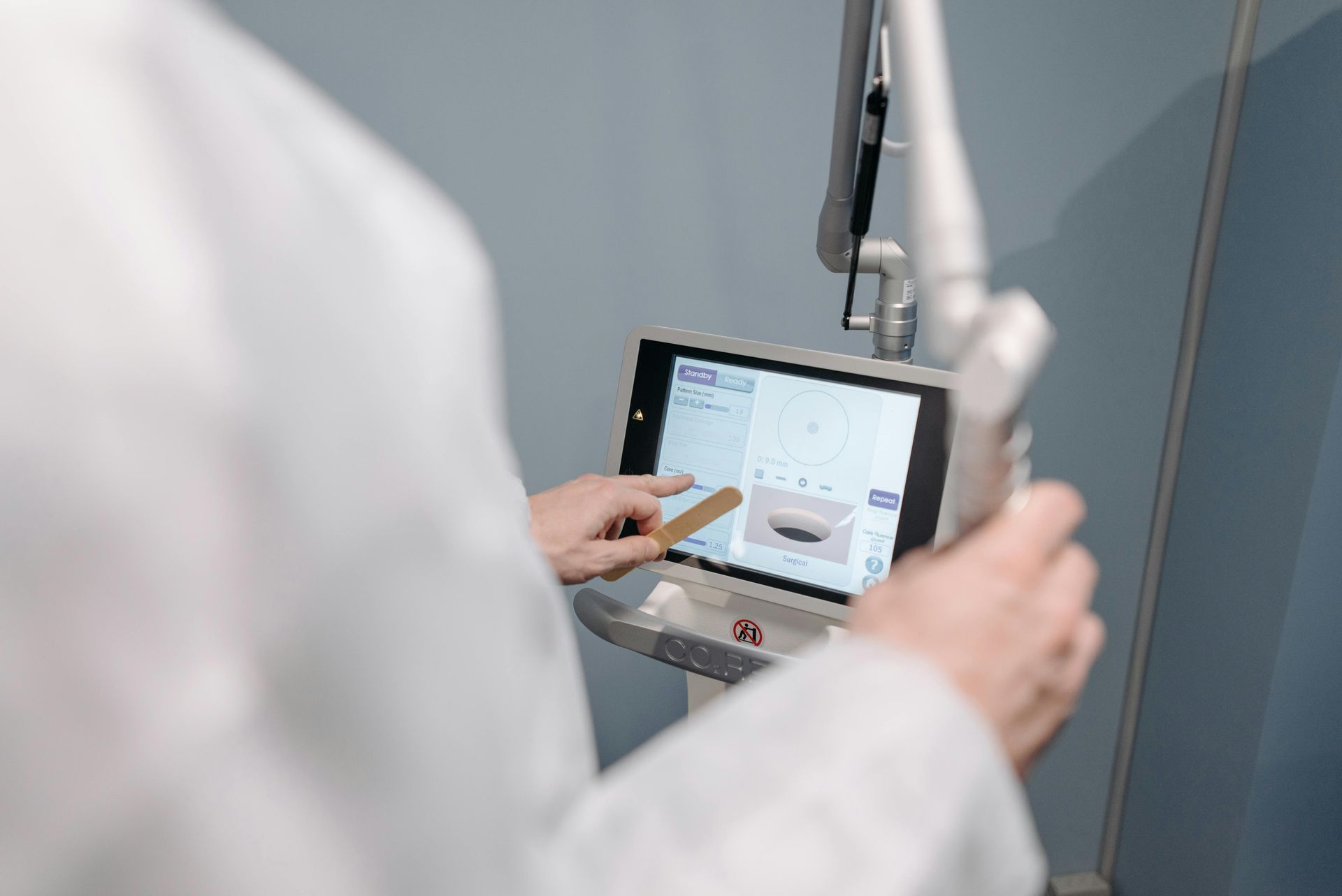
user experience (UX) of a medical device. Users encounter it in menu labels, buttons, error messages, instructions, warnings, training materials, and other touchpoints that help them understand the device’s functions and the actions they are expected to perform.
Terminology directly influences how easily and safely users can interact with a medical device.
IEC 62366-1 published by the International Organization for Standardization (ISO) requires manufacturers to evaluate the usability of a medical device as it relates to safety and to address risks associated with correct use and use errors. During usability testing, terminology problems can become visible through user behavior. A participant may hesitate because a menu label does not match the term used in the IFU, misunderstand an instruction because the translated clinical term is unfamiliar, or select the wrong function because two concepts are not clearly differentiated.
These findings matter beyond the usability test itself. If users repeatedly need clarification, additional training, or support to understand product language, the terminology is creating friction in the product experience. It can increase training and support needs, undermine user confidence, and make adoption more difficult.
A
medical device translation review should therefore consider terminology in the context of the actual user journey. The question is not simply whether a UI string or instruction is correctly translated, but whether the intended user will understand it quickly and correctly when using the device. I discuss this connection between terminology, usability and safe device use further in
my article, “Medical Device Localization: When Every Word Affects Patient Safety”, published in The ATA Chronicle, the journal of the American Translators Association.
The Business Cost of Getting Medical Device Terminology Wrong
A terminology error detected early may require changing one term. The same error detected after localization can affect an IFU, software interface, labeling, training materials, screenshots, translation memories, and multiple language versions.
The consequences can extend beyond localization costs. Under the EU MDR, manufacturers must provide device information in the language required by the Member State and ensure that instructions for use are readily understood by the intended user. If inaccurate, inconsistent, or inappropriate terminology affects regulated product information, it may require correction during regulatory or conformity-assessment activities. For devices subject to notified-body assessment, unresolved documentation issues can therefore contribute to additional review and remediation before the product can move forward, potentially affecting time-to-market.
The impact continues after launch. If healthcare professionals struggle to recognize a function, reconcile terminology between the UI and IFU, or understand product-specific language, this creates friction at exactly the point where a company needs users to feel confident with a new device. Poor terminology can increase the need for explanation and training, weaken confidence in the product, and make adoption more difficult. For a MedTech company investing in a new market, that means a language issue can become a commercial issue.
This is why
terminology management and
glossary development for medical device content are most valuable upstream. It should be considered an investment. Validating critical terms before they spread across products, documents, and languages helps protect regulatory readiness, shorten avoidable correction cycles, support a smoother launch, and give users a more coherent experience of the product.
Medical Terminology Review as an Investment in Product Quality
For MedTech companies targeting France and other European markets, medical terminology review is an investment in product quality, regulatory readiness, and commercial performance. Addressing terminology early helps prevent costly corrections, reduce avoidable review cycles, support smoother market entry, and strengthen user confidence in the product.
The value lies not in standardizing every term, but in making the right terminology decisions for each product, document, audience, and use context—and applying them consistently across the content lifecycle.
A structured, context-sensitive approach to terminology review supports product quality, regulatory readiness, usability, time to market, and ultimately product adoption.
📩 Let’s discuss how I can support your team — Contact me

Emi Lecret
– French medical writer | translator | localization specialist | communication strategist for MedTech companies
Share