MedTech Translation: Managing Regulatory and UI Challenges for the French Market
As MedTech companies expand across Europe, France remains one of the most demanding markets from both a regulatory and linguistic perspective. Medical Device Translations are no longer confined to instruction manuals or packaging inserts. Software-driven devices, connected platforms, and digital therapeutics now require fully localized user experiences that meet strict compliance standards while remaining intuitive for French-speaking users.
For manufacturers, translating medical device UIs into French involves far more than converting text from one language to another. Interface design, clinical terminology, readability, and usability all influence how healthcare professionals and patients interact with a device. Inaccurate or poorly adapted French medical device translations can delay approvals, complicate adoption, and create avoidable safety concerns.
French Translations for Medical Devices and Regulatory Compliance
Entering the French market means complying with the European Medical Device Regulation (MDR 2017/745), which requires manufacturers to provide information in the language mandated by each target country. In France, that includes user documentation, safety instructions, labels, software content, and device interfaces. French regulators and notified bodies pay close attention to linguistic accuracy, especially for devices involving clinical workflows, patient monitoring, or therapeutic decision-making.
The translated material must remain:
- unambiguous,
- clinically accurate,
- readable under real-world conditions,
- and fully aligned with the original intended use.
A mistranslated warning or unclear interface prompt can easily create confusion in fast-paced clinical environments. This is particularly relevant for SaMD where users rely on short instructions, alerts, and navigation elements to make rapid decisions.
As a result, localization has become part of the broader compliance process rather than a final production step.
Translating Medical Device UIs into French Without Compromising Usability
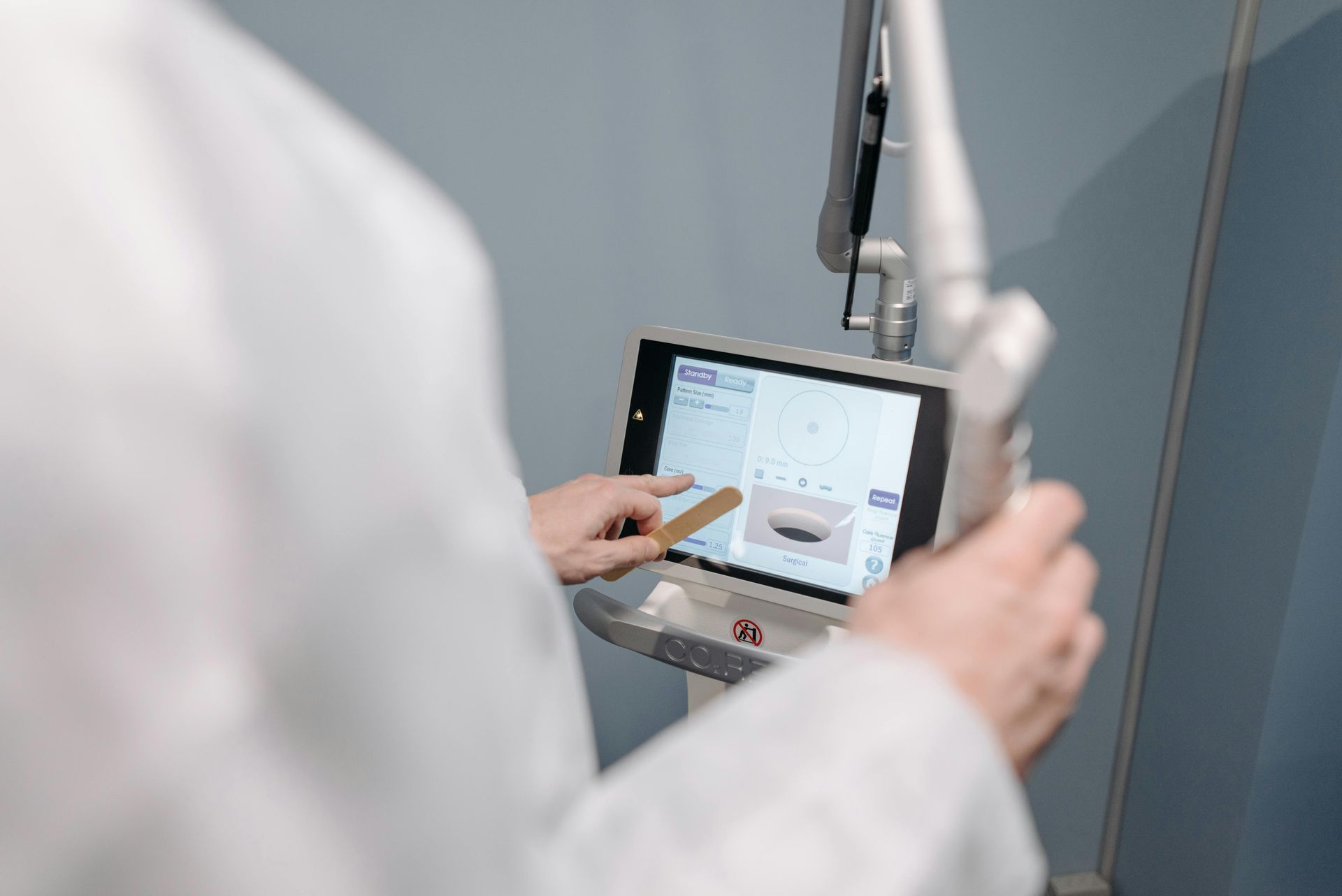
Translating medical device UIs into French introduces practical design constraints that are often underestimated during development.
French text generally occupies more space than English. A short English label can become significantly longer once translated, affecting:
- button layouts,
- mobile displays,
- embedded screens,
- navigation menus,
- and alert windows.
This becomes problematic for compact interfaces used in diagnostic equipment, wearable devices, or mobile health applications where screen space is limited.
Literal translation rarely produces usable interfaces. Short English commands such as “Sync,” “Pair,” or “Scan” may require contextual adaptation in French to remain clear without overwhelming the interface.
The challenge is not only linguistic. Localization teams must also adapt:
- date formats,
- decimal separators,
- abbreviations,
- typography,
- and clinical conventions commonly used in France.
Even small interface inconsistencies can disrupt workflows in healthcare settings where speed and clarity matter.
To better understand how language choices affect medical device usability and safety, see my article, “Medical Device Localization: When Every Word Affects Patient Safety”, published in The ATA Chronicle, the journal of the American Translators Association.
For higher-risk devices, many manufacturers now include linguistic usability testing as part of their localization process to verify that French-speaking users interpret instructions correctly under operational conditions.
Building Localization Into MedTech Product Development
Many localization problems originate long before translation begins. Interfaces designed exclusively for English often leave little room for multilingual adaptation later in development.
Teams that anticipate localization requirements early usually avoid costly redesigns and delayed market launches.
This includes preparing:
- scalable UI structures,
- multilingual content frameworks,
- flexible text containers,
- and localization-aware development pipelines.
For the French market, collaboration between UX designers, regulatory specialists, engineers, and medical translators is increasingly necessary from the earliest development stages. Manufacturers also face growing pressure to deliver digital experiences that feel natural to local users. French clinicians and patients expect interfaces that are clear, intuitive, and culturally adapted — not visibly translated from English. As digital health technologies continue to expand across Europe, localization quality increasingly shapes how products are perceived after launch. Well-localized interfaces improve usability, reduce training friction, and support smoother adoption in clinical environments.
Are you planning to launch your medical device in France?
Work with MedTech localization specialists who understand regulatory requirements, clinical terminology, and multilingual UI adaptation to ensure your product is ready for the French healthcare market.

Emi Lecret
– Medical writer | translator | localization specialist | communication strategist for MedTech companies
📩 Let’s discuss how I can support your team — Contact me
Share