Key Therapeutic Areas
Medical technologies are developed to address specific clinical needs, patient populations and healthcare challenges. From orthopedic implants and surgical robotics to digital therapeutics and remote patient monitoring solutions,
successful products must fit into real clinical environments and support the needs of healthcare professionals and patients.
Through my work with medical device manufacturers, software developers and digital health companies,
I have gained experience across a range of therapeutic areas where technology, clinical practice and user experience intersect.
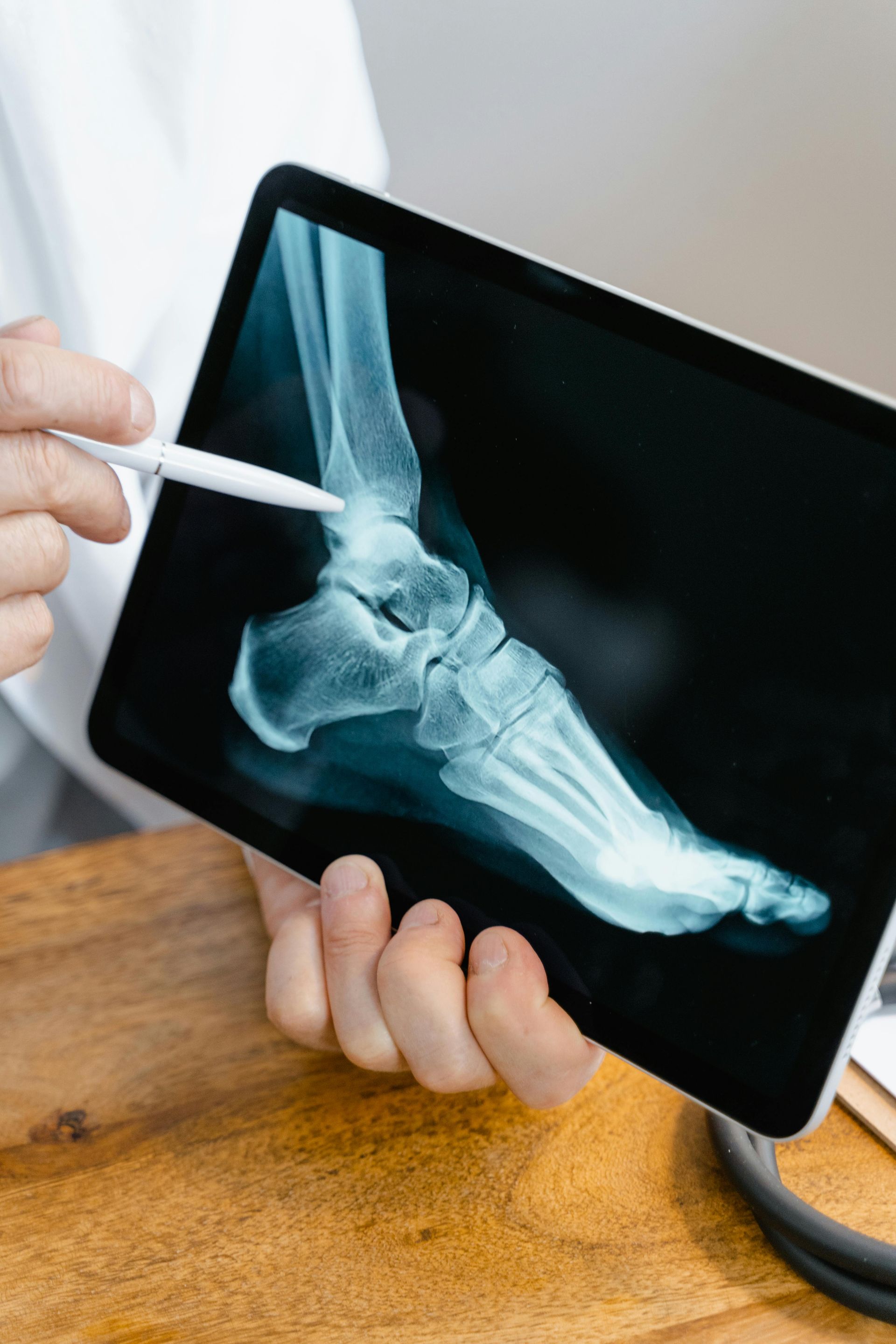
Orthopedics
Orthopedics focuses on the diagnosis, treatment and rehabilitation of musculoskeletal conditions affecting bones, joints, ligaments, tendons, and muscles.
This field includes a wide range of technologies, including implantable devices, surgical robotics, medical imaging systems, rehabilitation technologies and digital health solutions designed to support patient outcomes and recovery.
Successful adoption depends on clear communication, effective training, intuitive user experiences, and content that supports healthcare professionals throughout the patient journey.
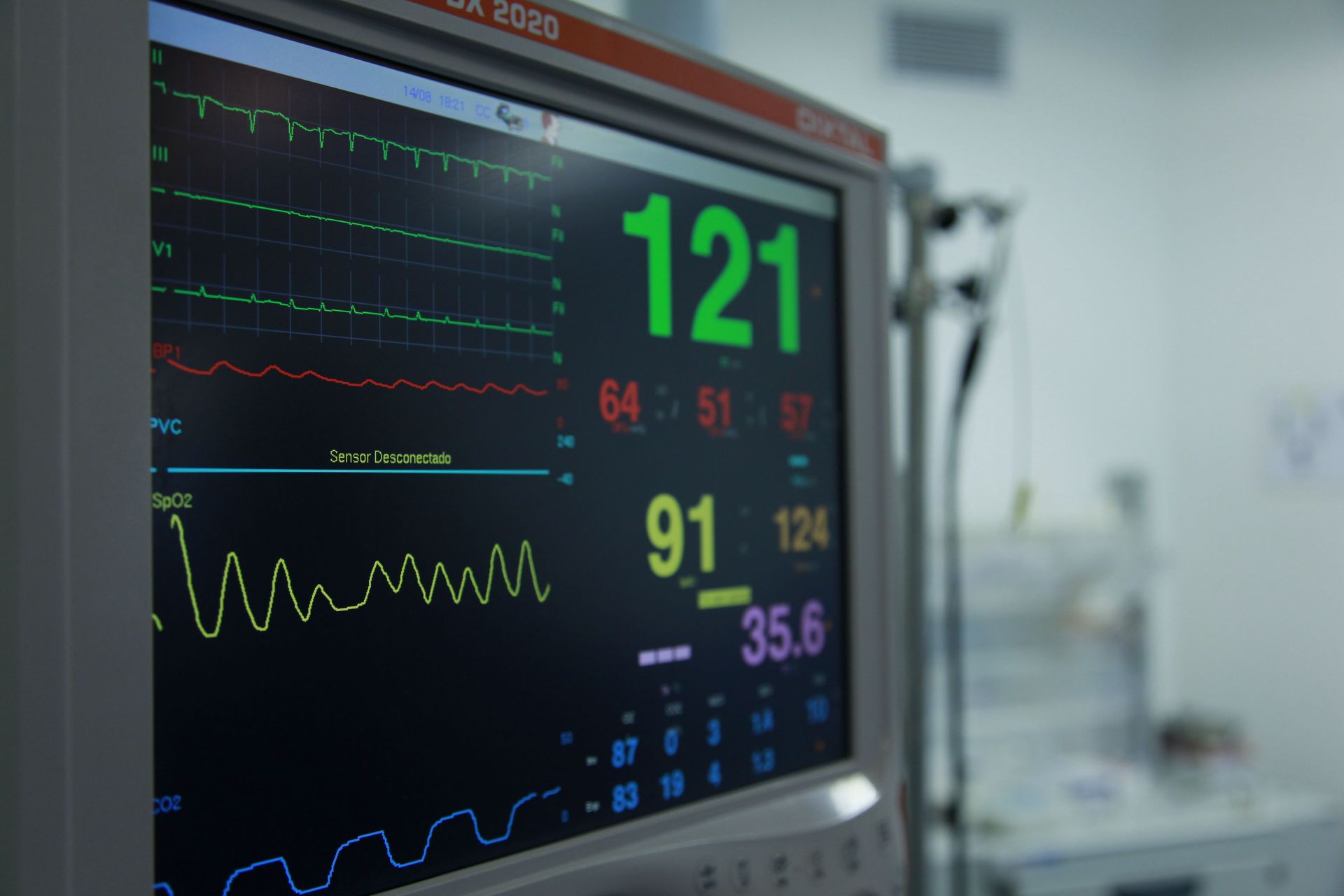
Cardiology
Cardiology encompasses technologies used to diagnose, monitor, and treat cardiovascular diseases.
Implantable devices, remote patient monitoring solutions, medical imaging platforms and software-based decision support tools are used to support patient management, clinical decision-making, and long-term care.
Products operating in this environment must support complex clinical workflows while providing clear and reliable information to healthcare professionals and patients.
Neurology
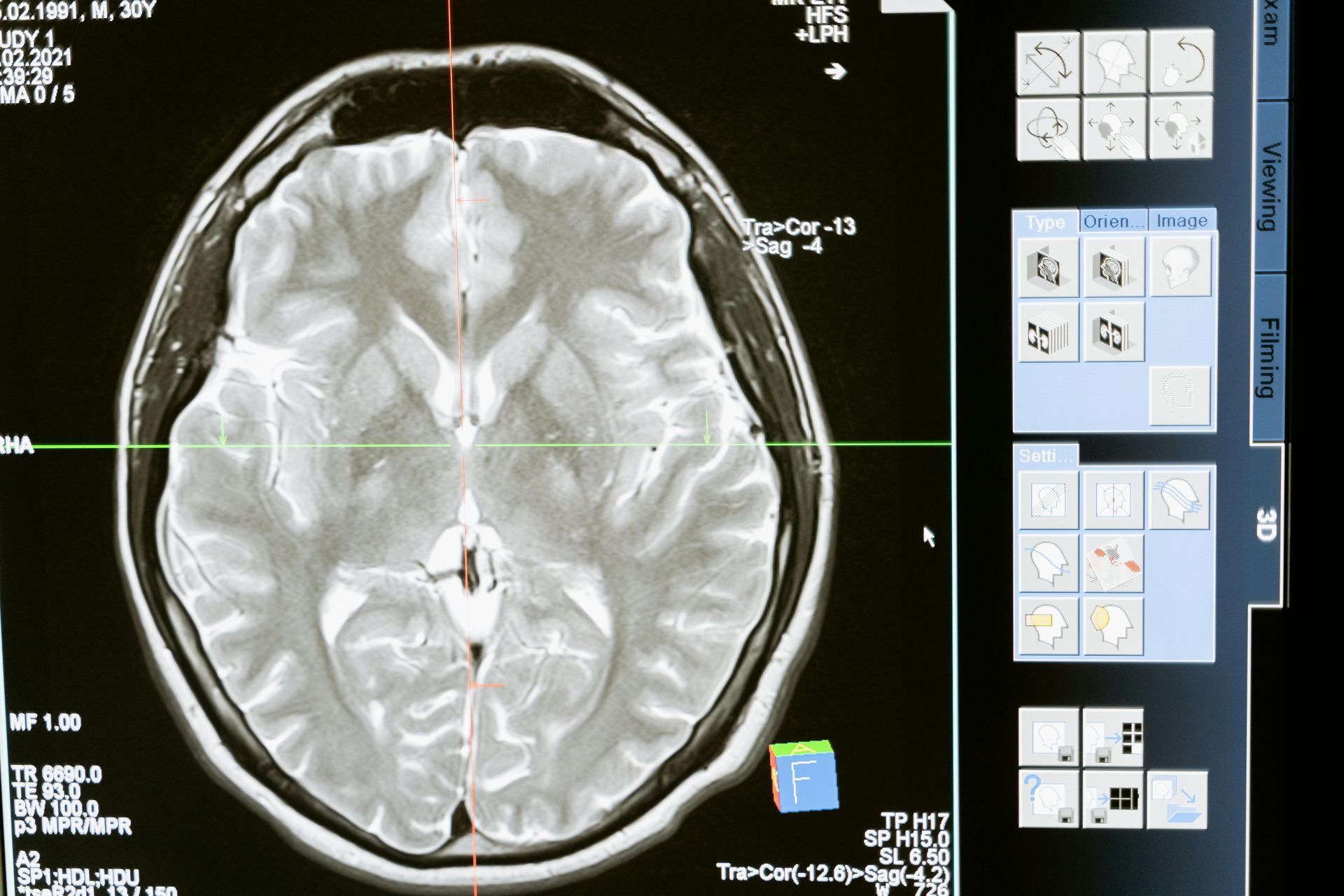
Neurology involves the diagnosis, monitoring and treatment of disorders affecting the brain, spinal cord, and nervous system.
Technologies used in this field include implantable neurostimulation devices, medical imaging systems, digital therapeutics, remote monitoring solutions, and software-driven diagnostic tools.
Because neurological conditions often require long-term management, usability, patient engagement, and effective communication are essential to successful adoption.

Oncology
Oncology technologies support cancer screening, diagnosis, treatment planning, therapy delivery, and patient monitoring.
Medical imaging platforms, software-based clinical decision support systems, digital health solutions and remote monitoring technologies are increasingly integrated into oncology workflows.
These products operate in highly specialized clinical environments where accuracy, clarity and effective communication are critical to healthcare professionals, patients, and caregivers.
Chronic Diseases
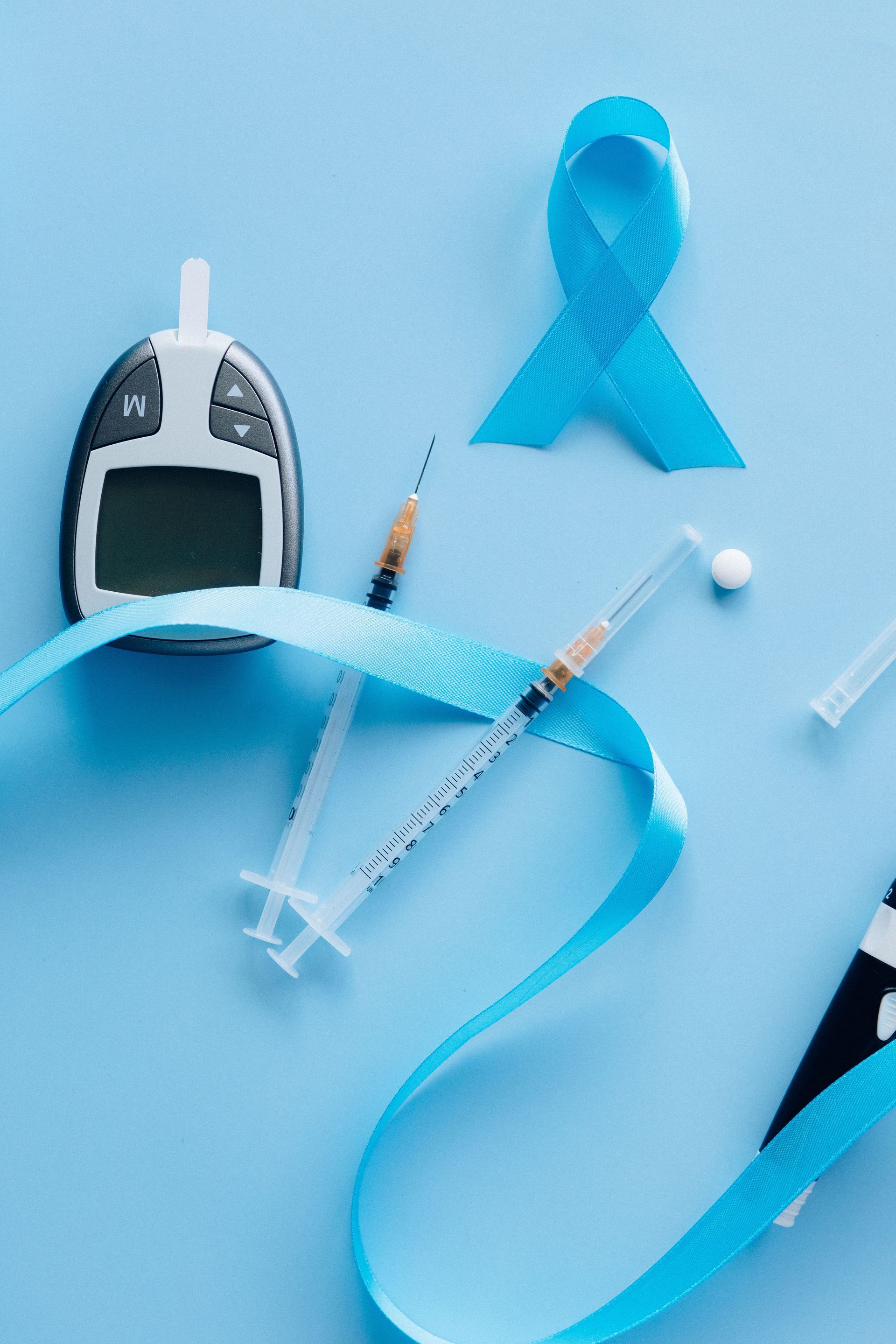
Chronic disease management increasingly relies on connected technologies that support long-term monitoring, treatment adherence, and patient engagement.
Remote patient monitoring, digital health platforms, medical software and connected medical devices help healthcare professionals manage conditions such as diabetes, cardiovascular disease, and respiratory disorders.
Success depends on user adoption, sustained engagement and content that supports both clinical and patient needs over time.
Rehabilitation Medicine
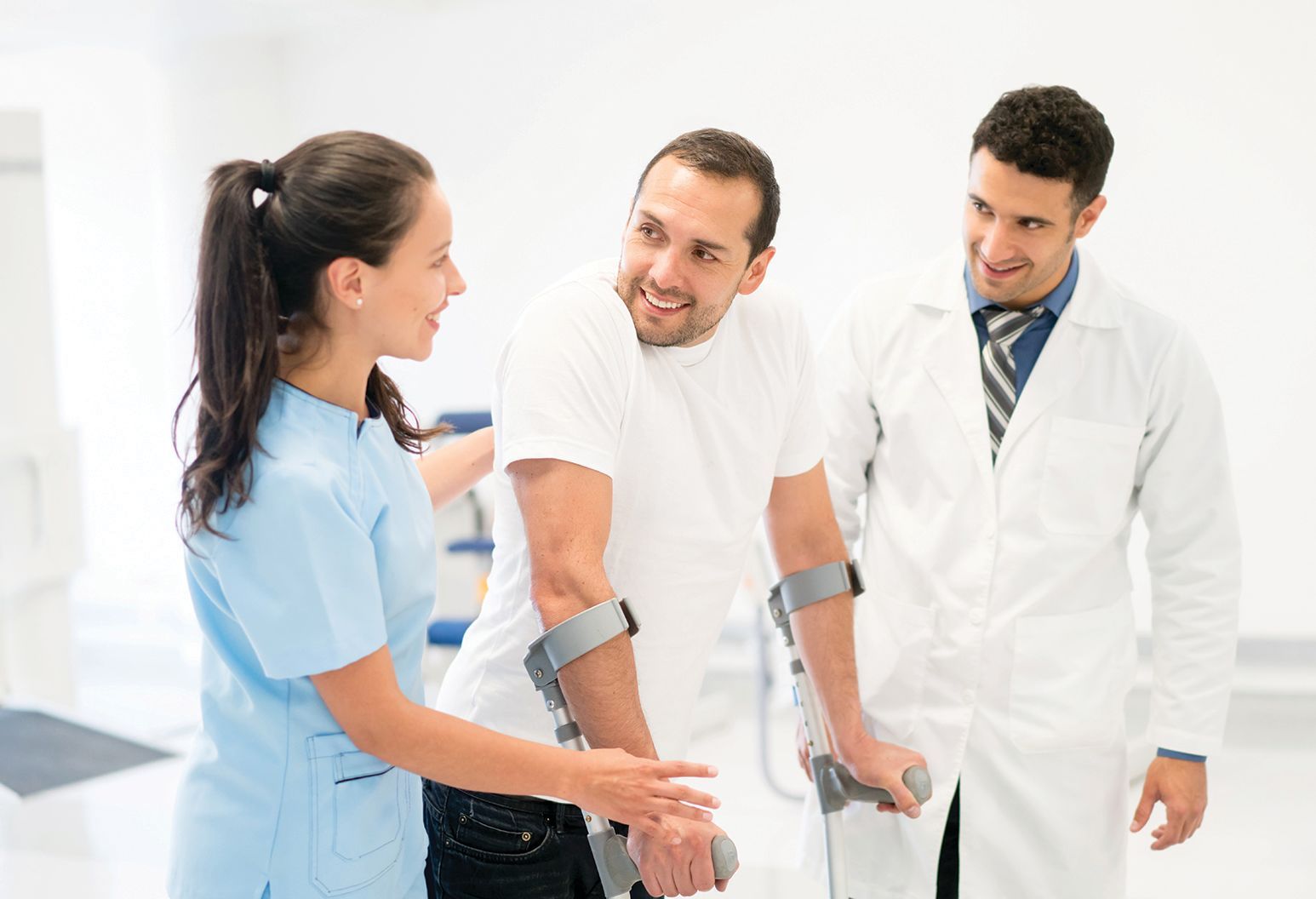
Rehabilitation medicine focuses on helping patients recover or maintain physical, cognitive and functional abilities following injury, illness, or surgery.
Technologies used in this field include medical robotics, rehabilitation devices, digital health applications, remote monitoring solutions, and medical simulation platforms.
These products often involve close interaction between patients, therapists, and healthcare teams, making usability, accessibility, and user engagement particularly important.
Mental Health
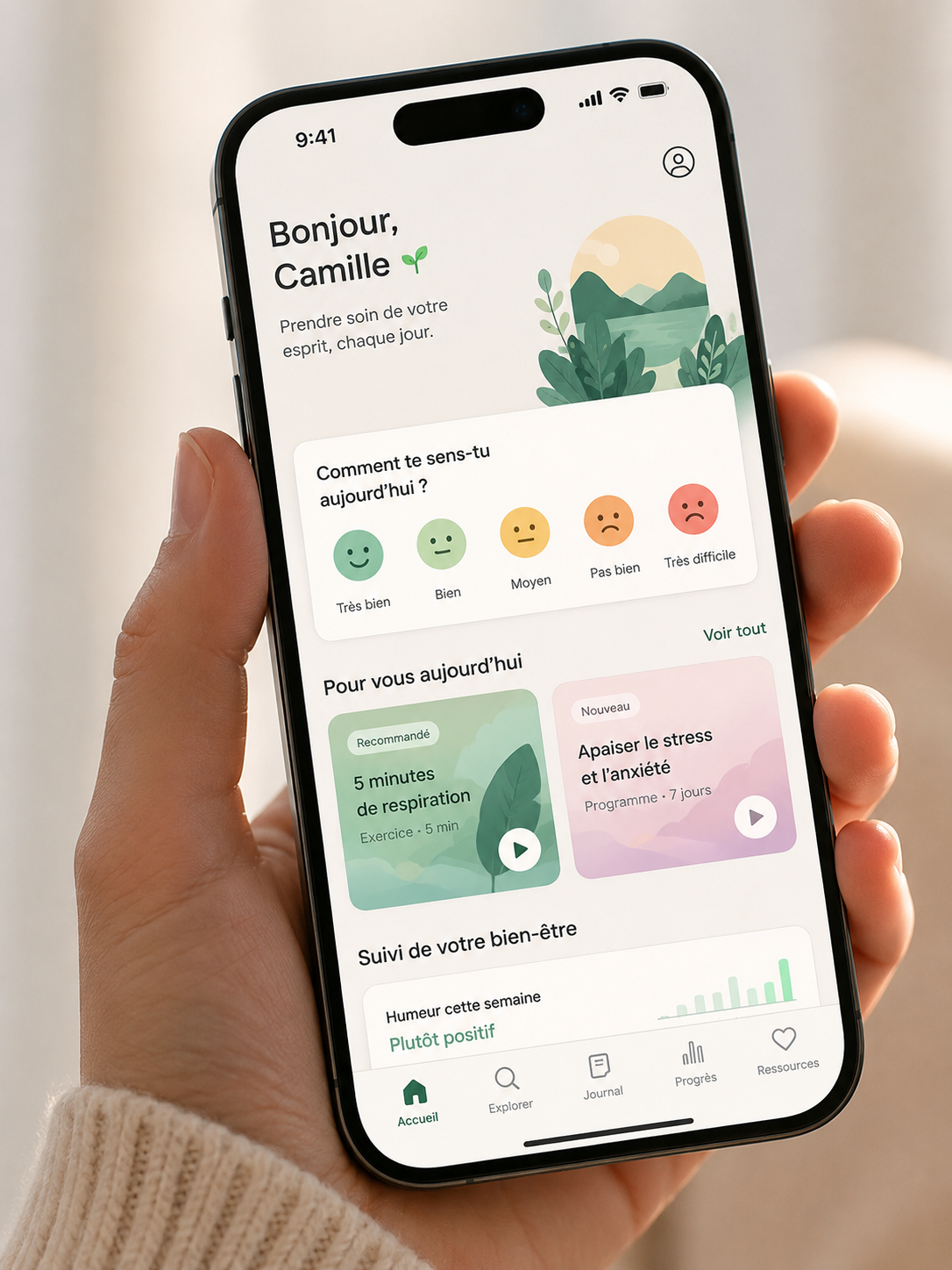
Mental health technologies support the prevention, assessment and management of mental health conditions through digital therapeutics, mobile health applications, remote monitoring solutions, and software-based interventions.
User engagement, trust and long-term adherence are central to product success in this rapidly evolving field.
Effective communication, intuitive experiences and patient-centered design play a key role in supporting adoption and outcomes.
How I Can Help
Need Support for Your Product?
Whether you are developing a medical device, medical software, digital health solution or other healthcare technology, I can help support your product through specialized translation, localization, UX writing, content development, marketing communications and independent French SME reviews.