When Do Medical Device Companies Need Canadian French Translation?
For medical device companies preparing to commercialize a product in Canada, French translation should not be treated as a final administrative step. The need may arise during labelling preparation, software development, regulatory review, product launch, or expansion into Québec.
Planning Canadian French medical device translation early helps maintain consistent terminology across product documentation, interfaces, training resources, and user-facing materials.
Which Medical Device Content May Need Canadian French?
A medical device rarely consists of hardware alone. Its content ecosystem may include instructions for use, labels, software interfaces, operator manuals, patient information, training materials, websites, and support resources.
Under Canada’s Medical Devices Regulations, required labelling information must generally be available in at least English or French. When directions for use are supplied in only one official language, the manufacturer must make the other official-language version available upon request. Additional bilingual requirements apply to devices sold to the general public and to certain categories, including near-patient devices.
Depending on the device and its distribution model, translation needs may include:
- instructions for use and operator manuals;
- medical device labelling and packaging;
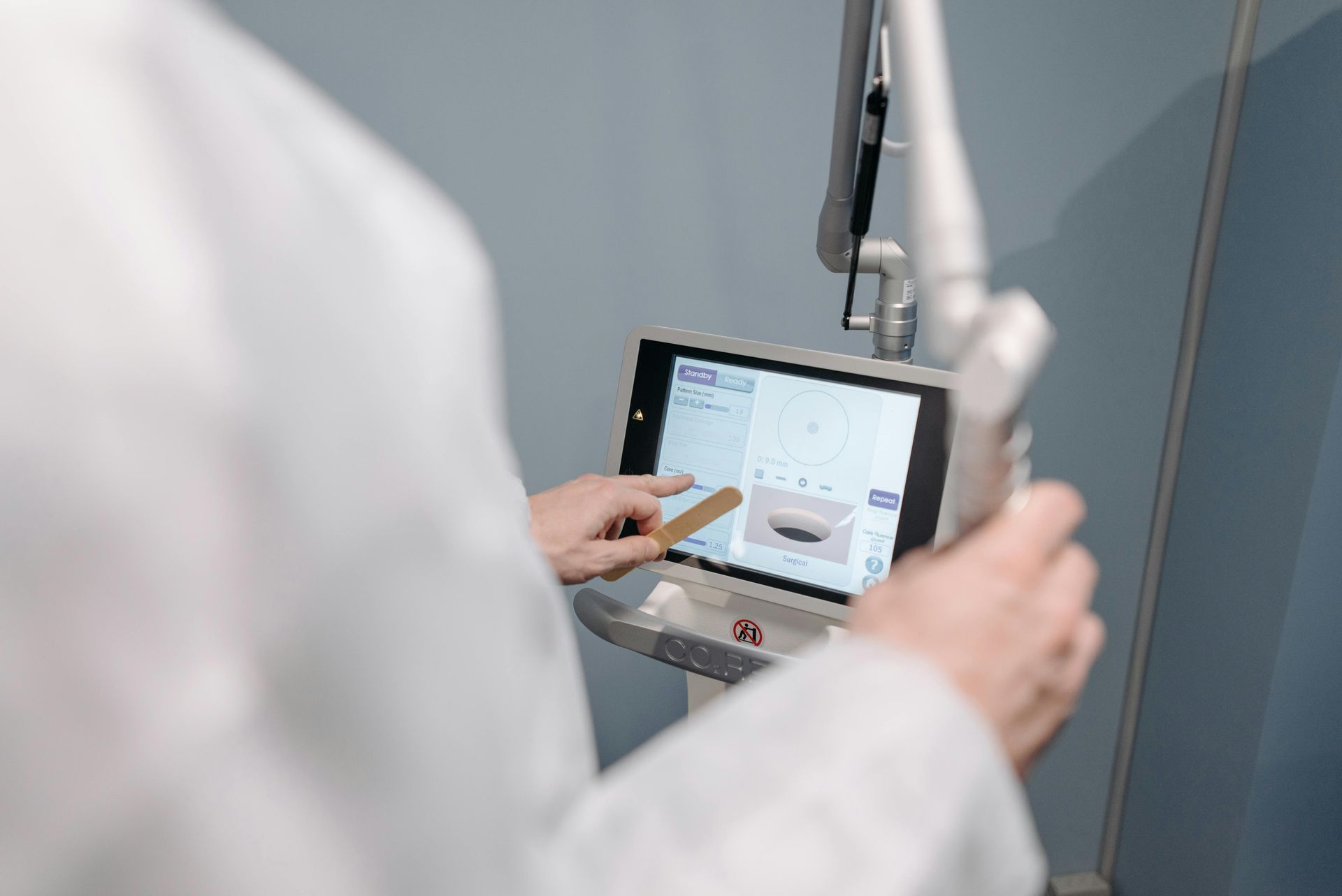
- software interfaces and embedded instructions;
- clinical and training materials;
- patient-facing information;
- websites and digital support content.
Manufacturers remain responsible for confirming the requirements applicable to their product with qualified regulatory or legal specialists.
Why Québec Requires Specific Attention
Companies entering Québec must also consider provincial French-language requirements.
Québec’s Charter of the French Language states that inscriptions on products, packaging, and accompanying documents, including directions for use and warranties, must be written in French.
Other languages may also appear, subject to the applicable rules and exceptions.
For this reason, translating medical device documents for Québec should involve more than reusing content developed for France. Terminology, institutional usage, and preferred professional phrasing may differ, even when the original European French translation is linguistically correct.
When Should Translation Begin?
Translation should be considered while the content and product experience can still be adjusted, not only once the final files are ready.
Starting early allows teams to identify:
- terminology that differs across documents;
- interface text that may not fit in French;
- inconsistencies between software and IFUs;
- unclear or ambiguous English source content;
- content that requires local review;
- assets that may need to be available in French.
A late translation may reveal issues after layouts, screenshots, software builds, and documentation have already been finalized. Resolving them can then involve product, quality, regulatory, software, and documentation teams rather than the translation team alone.
Why Medical Device Terminology Consistency Matters
Medical device companies often develop documentation, software, training content, and marketing materials through separate teams or vendors. The same feature, warning, or clinical concept may therefore be translated differently across several assets.
A bilingual glossary can help maintain consistency across product names, warnings, clinical terminology, interface labels, and recurring instructions.
A medical device translator for Canadian French can help establish terminology early, review content in context, and identify inconsistencies before they spread across multiple documents or software components.
Choosing the Right Canadian French Translation Support
Medical device translation requires more than general bilingual ability. The translator or reviewer should understand technical and clinical jargon, intended-user differences, software constraints, and the relationship between product documentation and interface content.
The role should also remain clearly defined. Translation supports linguistic accuracy, readability, and terminology consistency. Regulatory interpretation and final compliance decisions remain the responsibility of the manufacturer and its qualified specialists.
Choosing the Right Canadian French Translation Support
Integrating translation earlier can help medical device companies create a more coherent product experience and reduce avoidable revisions before launch.
For companies seeking English-to-Canadian-French translation, I provide medical device translation, terminology harmonization, and contextual review across documentation, software, and user-facing materials.
Visit my dedicated page on Canadian French medical device translation services to learn more.
Contact me to request a quote.
Emi Lecret - French medical device translator and localization specialist