How to Translate Medical Device Documentation into French for EU MDR Compliance
1. Ensure compliance with EU and French language requirements
Article 10(11) of Regulation (EU) 2017/745 (EU MDR) requires manufacturers to provide device information in the official EU language(s) determined by the Member State where the device is made available. In France, Article R.5211-3 of the French Public Health Code requires French-language documentation, including labelling, instructions for use (IFUs), implant cards, EU declarations of conformity and field safety notices.
2. Identify all documentation requiring translation
Annex I, Section 23 of the MDR specifies requirements for labels, IFUs, safety information, warnings, contraindications and other information supplied with the device. Annex II, Section 2 requires technical documentation to include labels and IFUs in the languages accepted by the target Member States.
3. Use accurate, consistent medical and technical terminology
Maintain consistency between translated IFUs, labels, warnings and other accompanying information. ISO 20417:2026 establishes general requirements for information supplied by medical device manufacturers, while ISO 15223-1:2021 addresses symbols used in medical device information.
4. Preserve safety-critical information
Translate intended purpose, indications, contraindications, residual risks, warnings, precautions and operating instructions without omissions or changes in meaning. Annex I, Sections 23.1(g) and 23.4 of the MDR establish requirements for communicating this information.
5. Adapt the language to the intended users
Annex I, Section 23.1(a) requires IFUs to be readily understood by their intended users, considering their technical knowledge, experience, education and training. Documentation intended for patients or lay users therefore requires appropriately accessible French.
6. Check symbols, units and graphical information
Annex I, Section 23.1(h) requires applicable harmonised standards or common specifications to be followed for symbols and identification colours. Where neither exists, symbols and colours must be explained in the accompanying documentation. ISO 15223-1:2021 provides a relevant framework for medical device symbols.
7. Verify consistency between software interfaces and documentation
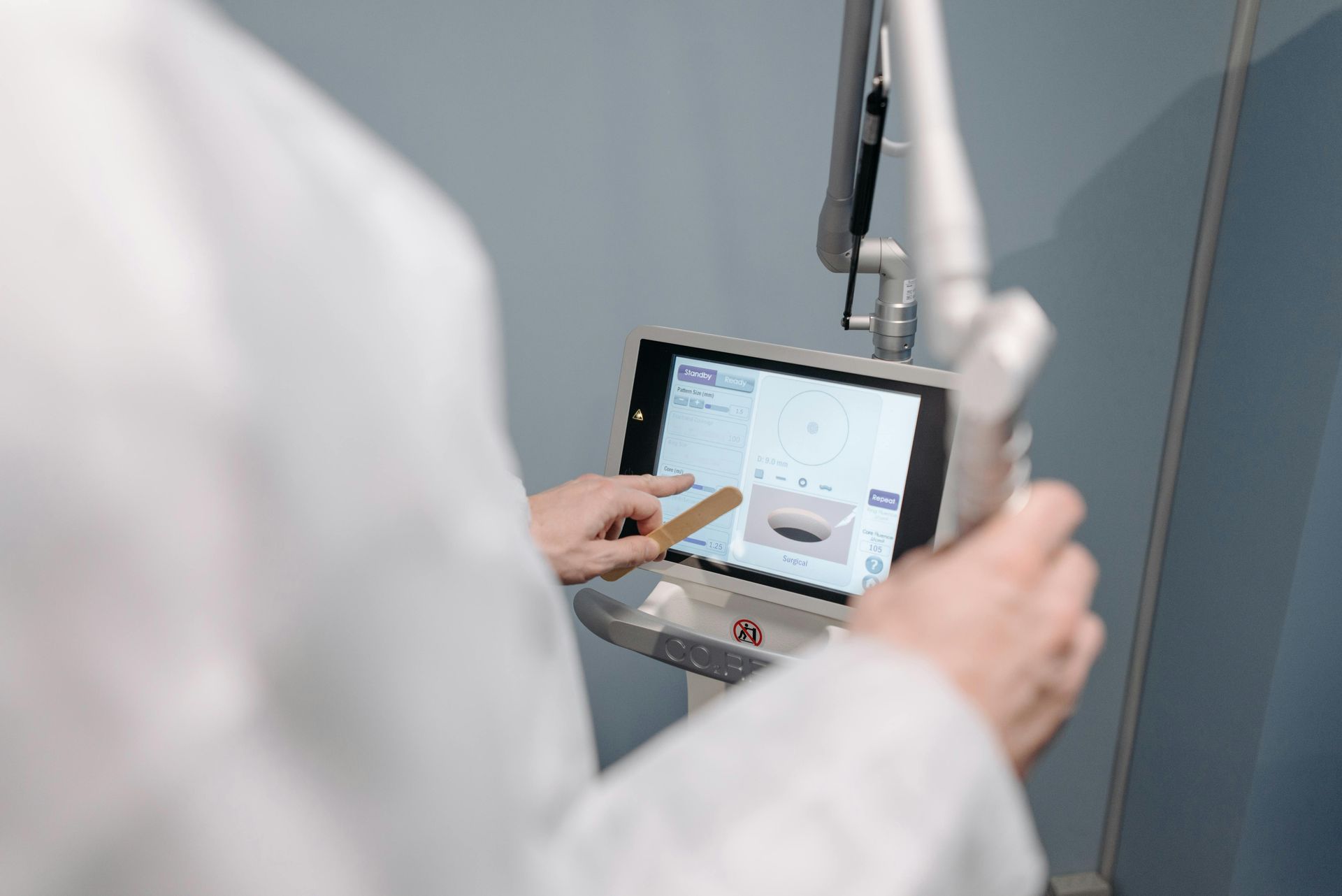
The European Commission’s guidance on Member State language requirements also addresses graphical user interfaces (GUIs), including medical applications. Manufacturers should check applicable national requirements and ensure that translated IFUs accurately reflect the terminology and functions displayed in the device interface.
8. Implement translation quality assurance and version control
Translation workflows should include terminology management, bilingual review, verification of numerical values and safety statements, and checks against the final layout. Article 16(3) of the MDR explicitly requires distributors and importers performing translation activities under Article 16(2) to maintain a quality management system ensuring translations are accurate and up to date.
9. Maintain translated documentation throughout the device lifecycle
Ensure that relevant changes to warnings, operating instructions and other safety-related information are reflected in the French documentation. For electronic IFUs, Commission Implementing Regulation (EU) 2021/2226, as amended, establishes specific requirements concerning language availability, updates and access to previous versions.
10. Work with a French translator specialising in medical devices
Medical device translation requires more than linguistic accuracy. A specialist translator understands medical terminology, device functionality, regulatory requirements and the importance of safety-critical information. This expertise helps ensure that French documentation is technically accurate, consistent across materials and appropriate for its intended users, reducing the risk of translation errors that could affect device safety or regulatory compliance.
Contact Emi Lecret for specialist support with:
- French localisation
- Medical device translation
- UX writing for MedTech
- French Expert Reviews and Audits for MedTech & HealthTech User Interfaces

Emi Lecret
– Medical writer | Translator | Localization specialist | Communication strategist for MedTech companies
Share