MedTech Communications Services

Turning Complex Technology into Usable Healthcare Content

What is MedTech Communications?


MedTech communications focus on translating complex medical device information into clear, accurate, and usable content for different audiences: healthcare professionals, patients, regulators, and internal teams.


Unlike pharma, MedTech requires a strong focus on usability, workflows, and device interaction. Content must explain not only clinical value, but also how devices are used in real settings.


This includes:


  • medical device content
  • clinical and technical documentation
  • regulatory and compliance materials
  • UX writing for medical devices


The objective is operational: ensure that information supports safe, efficient, and compliant use of technology.

MedTech Communications and Digital Transformation

The rise of digital health and connected devices is reshaping MedTech communications.


New formats are emerging:


  • digital interfaces and in-device content
  • interactive training materials
  • real-time data visualization
  • connected platform communication


This shift requires closer collaboration between medical writers, UX designers, engineers, and regulatory teams.

Content is no longer static. It becomes part of the product experience.


From Content to Adoption

The In MedTech, communication is directly linked to adoption.


Devices that are:


  • easier to understand
  • faster to learn
  • clearer to use


are adopted more quickly and used more effectively.


MedTech communications move beyond documentation. They support clinical performance, user experience, and market scalability.


As medical devices continue to evolve, the ability to deliver clear, compliant, and user-centered content becomes a competitive advantage.


Why MedTech Communications Matter

Medical devices are becoming more complex, connected, and software-driven. As a result, clear communication directly impacts adoption and performance.


Poorly structured content slows down:


  • device adoption in hospitals
  • training of healthcare professionals
  • regulatory approvals
  • market access across countries


Strong MedTech communications improve:


  • usability and user experience (UX)
  • compliance with regulatory requirements (MDR, CE marking)
  • consistency across markets through localization
  • understanding of clinical benefits


In practice, communication becomes a key lever for faster adoption and reduced operational friction.


Get a quote

Key Components of Effective MedTech Communications

Effective MedTech communication is built on four pillars:


1. Accuracy and Compliance
Content must align with clinical data and regulatory frameworks. Precision is critical for both safety and approval processes.


2. Clarity and Structure
Information must be easy to understand and quick to use. Healthcare professionals operate in high-pressure environments where time is limited.


3. Localization and Market Adaptation
Medical device content must be adapted to local regulations, languages, and clinical practices. Localization ensures consistency and compliance across regions.


4. User-Centered Design (UX Writing)
Content must reflect real workflows. Instructions, interfaces, and training materials should be designed for usability, not just completeness.

patient using a glucose monitor

MedTech Communications Services

MEDICAL WRITER AND LOCALIZATION SPECIALIST

Examples of content I provide to medical device manufacturers:

parameters

Medical Device Documentation


  • Instructions for Use (IFU)


  • Technical documentation


  • User Guides/Clinical Guides


  • Standard Operating Procedures (SOPs)


  • Design and Manufacturing Information


tick

Regulatory and Clinical Content


  • Clinical Evaluation Reports (CER)


  • MDR compliance documentation


  • Field Safety Notices (FSNs)


  • Risk management files


  • Post-market surveillance reports


User and Market-Focused Content


  • Training materials for HCPs


  • UX writing for device interfaces


  • Webinars/Presentations


  • Localization across markets


  • Educational content


For more insights, read this related blog article

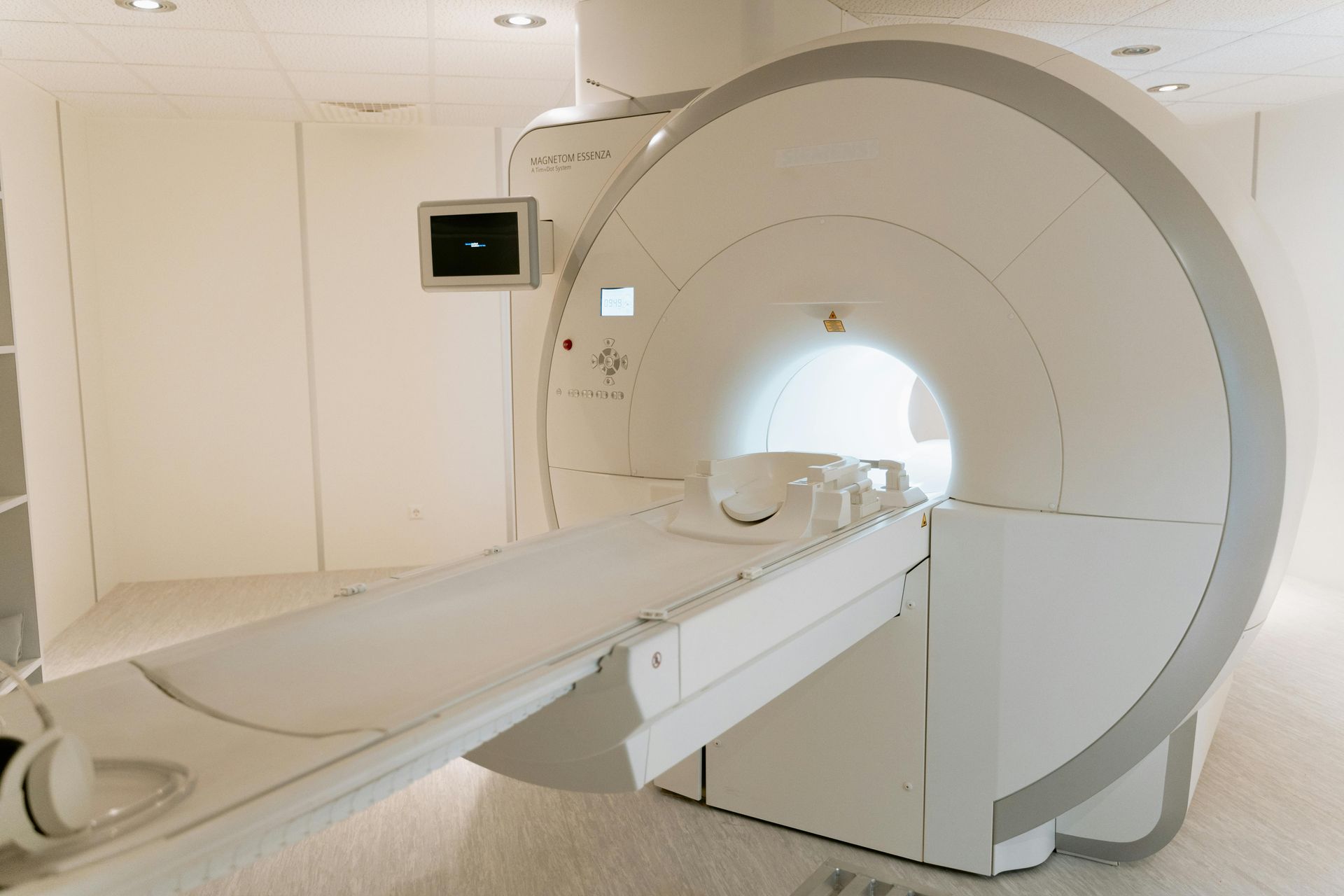
MRI Medical Device

Medical device translation: What is at stake?


When it comes to medical devices, accurate translation is critical—especially in user manuals. A medical device user manual isn’t just a formality; it’s a critical tool that directly impacts patient safety, regulatory compliance, and product usability. Here’s why working with a medical device translation specialist is essential, and why poor translations can have serious consequences.


Patient Safety is on the Line

Medical devices are often used in high-stakes environments. If a healthcare professional or a patient can’t fully understand how to use the device because of a poorly translated manual, the result can be catastrophic. Misunderstanding instructions for setup, operation, or maintenance can lead to serious health risks—from ineffective treatment to severe injury. Read more...