The Importance of Harmonized Terminology Across Labeling, Clinical Guides, and Marketing Materials
Medical devices generate a wide range of content, from labeling and instructions for use to software interfaces, clinical guides, training resources, and marketing materials. When terminology varies across these touchpoints, it can affect clarity, usability, regulatory consistency, and user confidence.
For medical device companies entering France, harmonized terminology is particularly important. Working with a specialized French medical device translator can help maintain consistency across product content while adapting it for French-speaking healthcare professionals, patients, and other intended users.
Regulatory Compliance
Under the EU Medical Device Regulation (MDR), the information supplied with a device must be appropriate to its intended purpose and intended users. Instructions for use must be written in terms that those users can readily understand. Information about the device’s intended purpose also needs to remain consistent across labeling, instructions for use, and promotional or sales materials.
Terminology should therefore be managed across the complete content ecosystem rather than document by document.
When different terms are used for the same feature, warning, clinical concept, or procedure, regulatory, quality, and linguistic reviewers may need to determine whether the difference is intentional or represents an inconsistency.
A specialized French medical translator can help medical device companies maintain aligned terminology across:
- labeling;
- instructions for use;
- clinical guides;
- software interfaces;
- training materials;
- patient-facing content;
- marketing communications.
Translation supports regulatory consistency, but it does not replace regulatory, legal, or quality review. The final content must still be assessed against the requirements applicable to the device, its intended purpose, its users, and the French market.
Patient Safety and Usability
Consistent terminology supports the safe and effective use of medical devices.
When an instruction, warning, menu item, or clinical concept is described differently across the interface and the accompanying documentation, users may hesitate or need additional time to interpret the information.
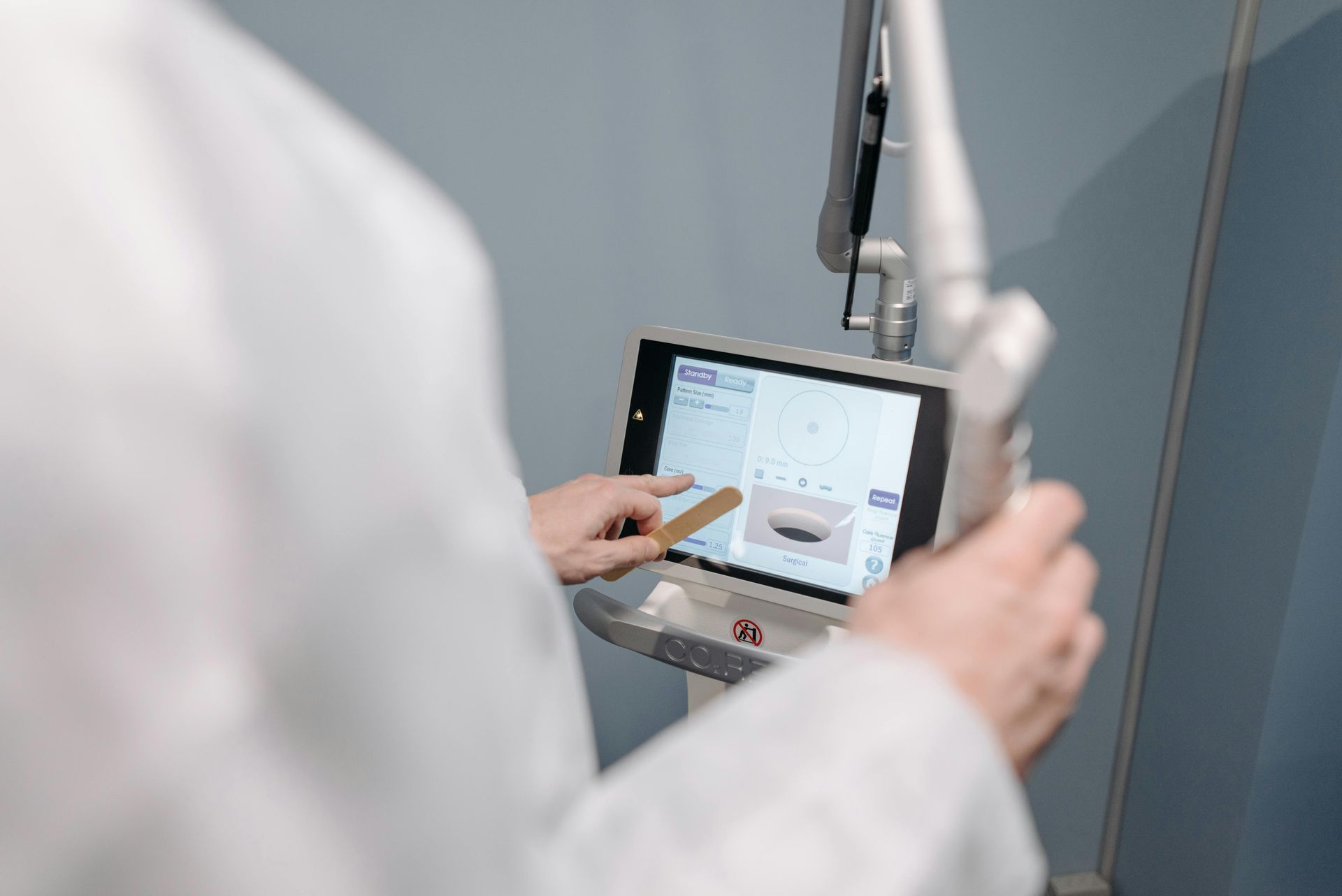
For example, a software interface may display one term while the instructions for use use another. A clinical guide may introduce an abbreviation that is absent from the device interface. A warning may be translated correctly but phrased differently across several materials.
Each inconsistency may appear minor in isolation. Together, they can make the product more difficult to understand and use.
Harmonized terminology helps healthcare professionals and patients recognize the same concepts across every product touchpoint. It can also support clearer training, smoother onboarding, and more consistent communication between users and customer support teams.
Brand and Product Credibility
Healthcare professionals do not necessarily distinguish between content created by regulatory, product, clinical, and marketing teams. They experience all of it as part of the same product.
Terminology that changes between a brochure, an interface, an IFU, and a clinical guide can create the impression that the product has not been fully coordinated for the French market. Consistent terminology demonstrates attention to detail and reinforces the credibility of the manufacturer. It also helps ensure that marketing communications remain aligned with the terminology used in technical and clinical documentation.
This does not mean that every asset should use identical wording. A patient guide and a technical document may require different levels of complexity. However, the underlying concepts, product names, feature names, and key safety information should remain aligned.
A French medical device translator should therefore consider the purpose, audience, and context of each asset while preserving consistency across the product portfolio.
Team Efficiency
Terminology harmonization also improves collaboration between teams.
Medical device content may involve:
- translators;
- localization managers;
- regulatory specialists;
- medical writers;
- software developers;
- UX writers;
- quality teams;
- clinical teams;
- marketing teams.
Without a shared terminology resource, each contributor may make reasonable but different linguistic choices. These differences then need to be reviewed, discussed, and corrected across multiple files.
A centralized glossary or terminology database gives teams an approved reference for product names, clinical concepts, interface labels, warnings, abbreviations, and recurring phrases. It can reduce unnecessary revisions, support translation-memory quality, and make future updates easier to manage. It is particularly valuable when the same content appears in software, documentation, training materials, and marketing communications.
Terminology management should begin before translation whenever possible. Agreeing on key terms early is more efficient than correcting inconsistencies after layouts, screenshots, software builds, and documentation have been finalized.
Terminology Should Reflect French Clinical Usage
A technically accurate translation is not always the most appropriate term for the intended French user.
Terminology may differ depending on whether the content is written for:
- specialist physicians;
- nurses;
- biomedical teams;
- patients;
- caregivers;
- procurement professionals;
- the general public.
A term used in scientific literature may not be the clearest option in a patient-facing instruction. A direct translation of an English interface label may also differ from the language commonly used by French healthcare professionals.
This is why medical device localization requires more than bilingual knowledge. It involves understanding the device, its clinical context, its intended users, and how its terminology appears across the entire user journey.
Where appropriate, terminology decisions should be checked against approved source documentation, relevant French clinical usage, published literature, product constraints, and feedback from subject-matter experts.
Key Takeaways
Harmonized terminology is not simply a linguistic preference. It supports clarity, usability, regulatory consistency, brand credibility, and efficient content management throughout the medical device lifecycle.
For companies preparing to enter the French medical device market, terminology should be coordinated across labeling, instructions for use, software interfaces, clinical guides, training resources, and marketing materials.
A specialized French medical device translator can help identify inconsistencies, develop approved terminology, and maintain linguistic alignment across these different assets.
The objective is not only to translate each document accurately. It is to create a consistent product experience for French healthcare professionals, patients, and other intended users.
Do You Need a French Medical Device Translator?
I help medical device companies translate, review, and harmonize French content across labeling, instructions for use, clinical guides, software interfaces, educational content, and marketing materials.
Explore my French medical device translation services or contact me to discuss your project.
Emi Lecret